The end of the road trip
As this is the last blog of our Great Australian Road Trip I thought it would be a good idea to do a recap of the trip so far.

13 days ago we left Sydney for Kings Canyon. The camper broke down so we stayed overnight in Alice Springs for an unexpected stop. We experienced the magnificent Uluru for the next 2 days followed up by an overnight in Kings Canyon. A long 7-8 hour drive the following day took us to the opal capital of Australia, Coober Pedy. We stayed there 2 nights in a beautiful underground cabin. We explored the town and surrounding landscapes. The next days drive took us along the famous Oodnadata Track to a stop over in Maree. The following day we passed through the stunning Brachina Gorge to get to our home in the mountains, Willow Springs at Wilpena Pound. 2 nights there and a mountain climb later we drove to Adelaide to stay with Jenni’s ‘cousin’ Kathy and her husband Peter.
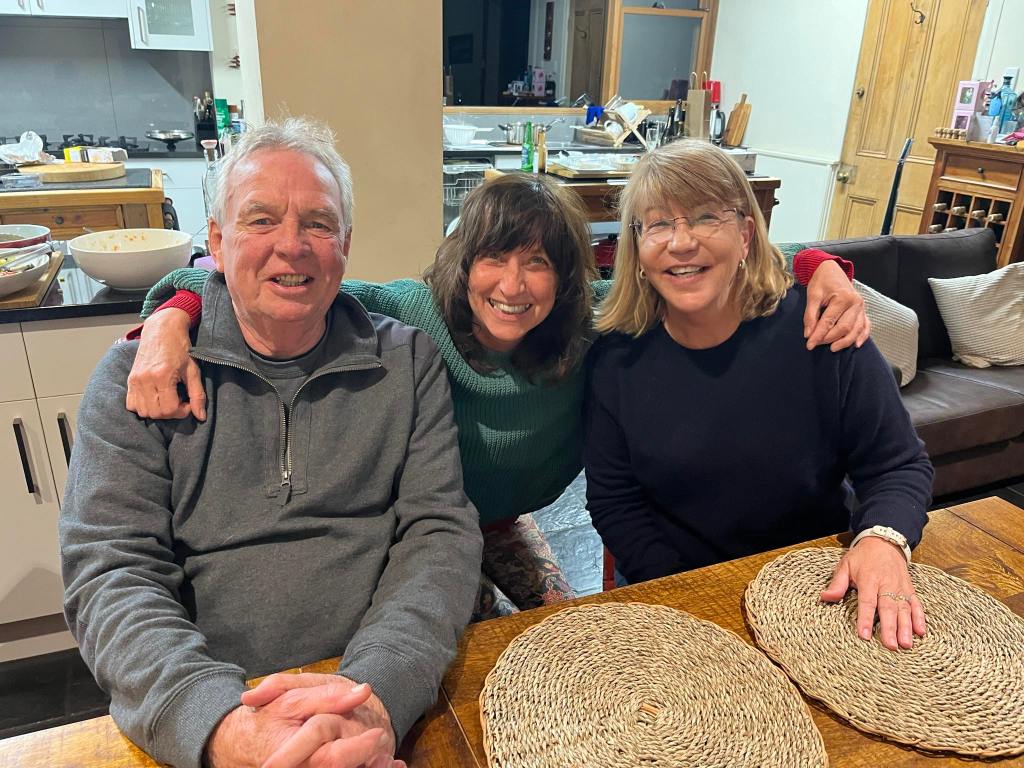
After the usual ‘above and beyond’ hospitality and comfy overnight stay with Kathy and Peter we reluctantly said our goodbyes to these generous people and headed off again to Angaston in the Barossa Valley wine region, where we pick up this blog.
Barossa Bike Ride
The Barossa Valley is a famous wine growing region and home to many, household named, wineries.
From Wikipedia, “The three major towns of the Barossa have distinctive characteristics. Tanunda is generally recognised as the most German of the three, with traditions dating back to the 1840s when the first German settlers arrived in the area. Since many of the German settlers came from Prussian Silesia, they called the Barossa Neu-Schlesien, or “New Silesia”. The German influence survives to this day (see Barossa German). Angaston, in contrast, is considered the English town as it was settled predominantly by Cornish miners and others from Britain. The third, and largest town, Nuriootpa, was influenced by both German and British settlers, and today is the commercial hub of the Barossa and it is where most of the larger stores are located.”
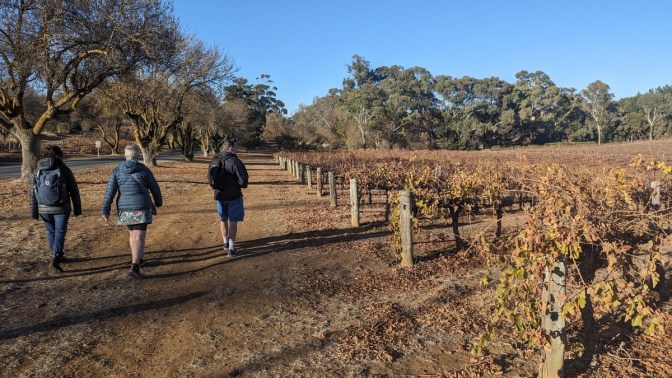
As mentioned in the last blog we were staying in Angaston, in the lovely Bluebird Cottage. We chose Bluebird Cottage because it was walking distance to the start of the ebike tour of the Barossa wine region we had booked for the next day. There are 150 or more wineries in the Barossa Valley, we were likely to be tasting a few different wines on this tour. We considered that walking back after it was over might be a prudent move.
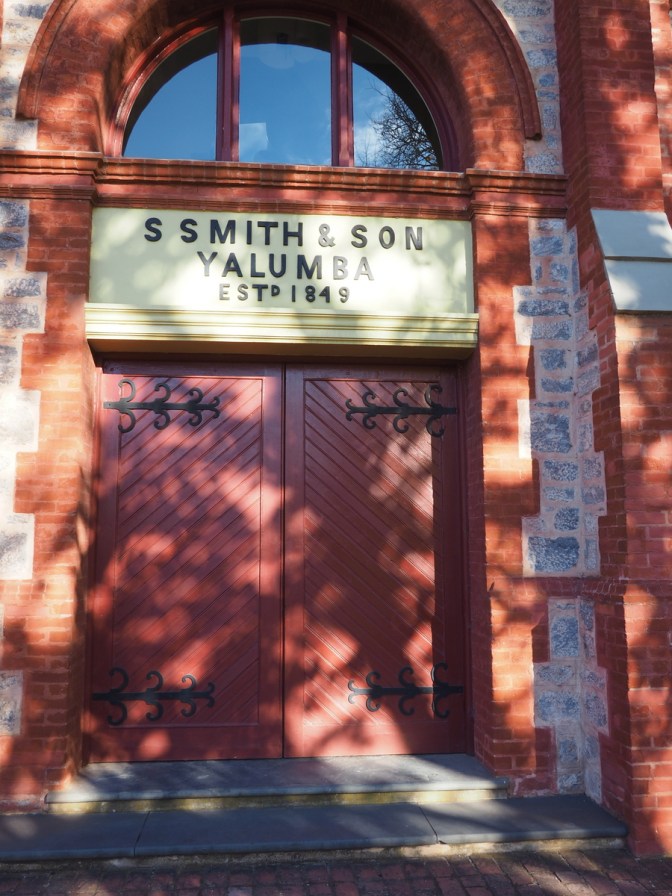
Yalumba
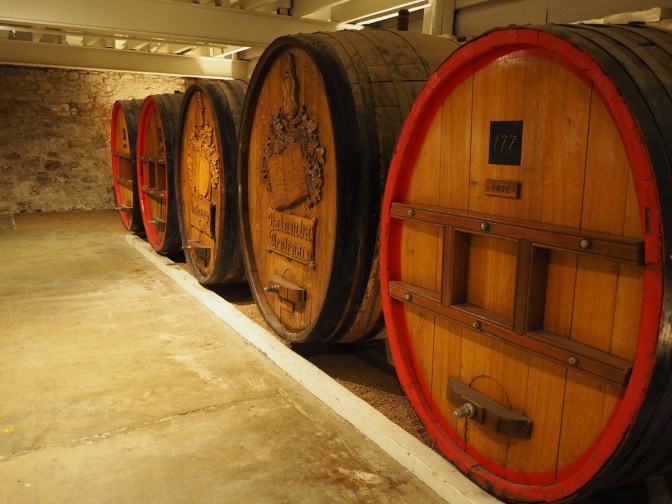
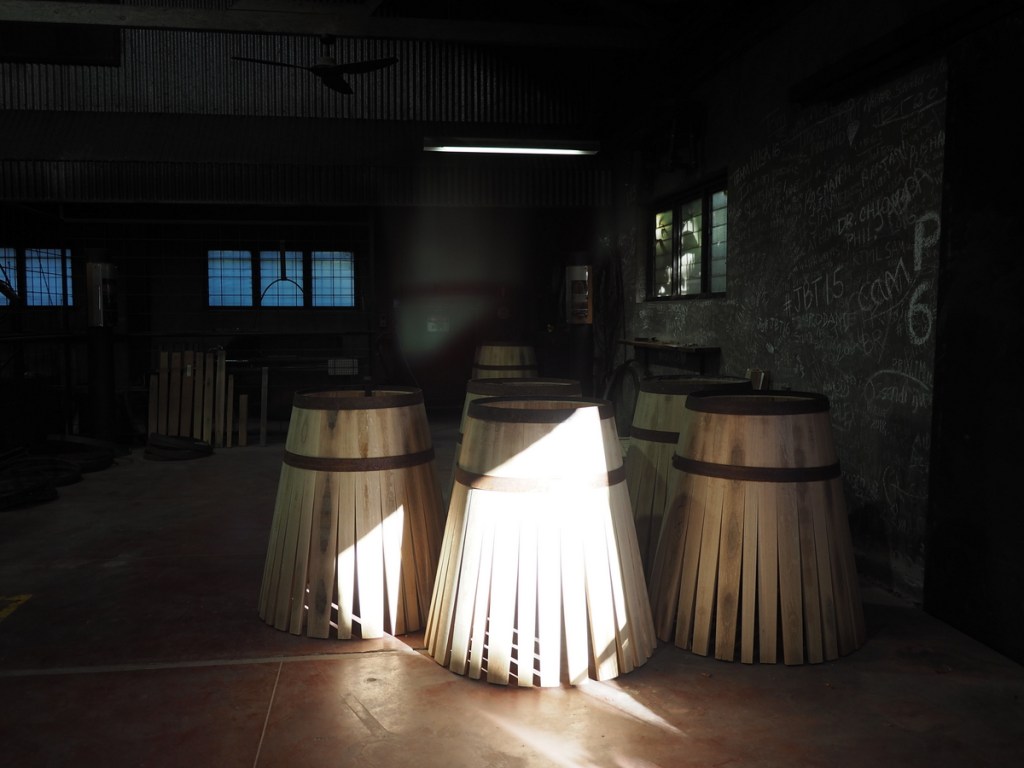
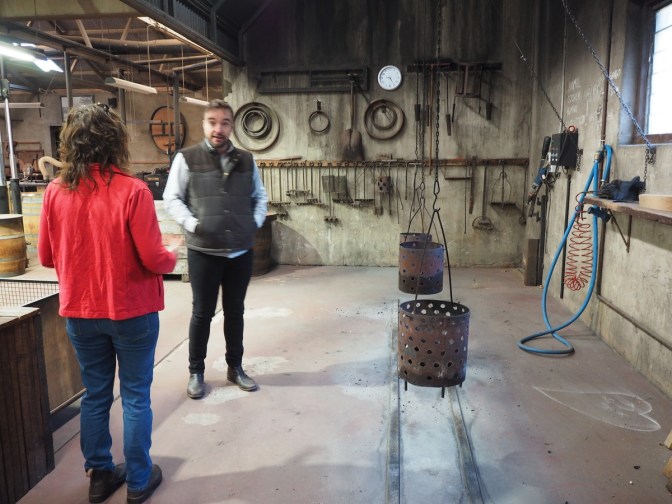
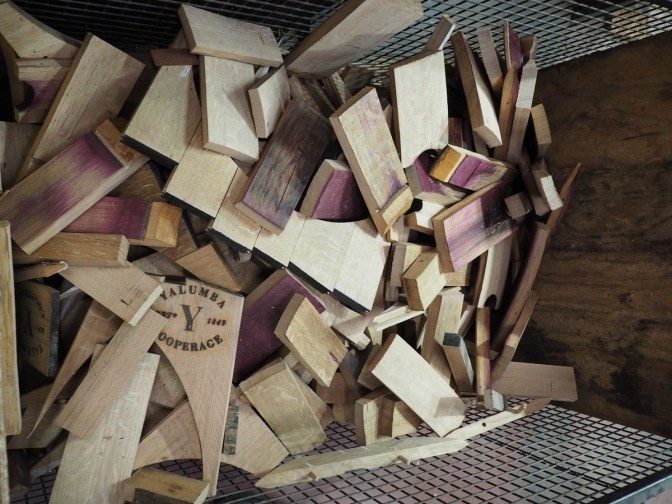
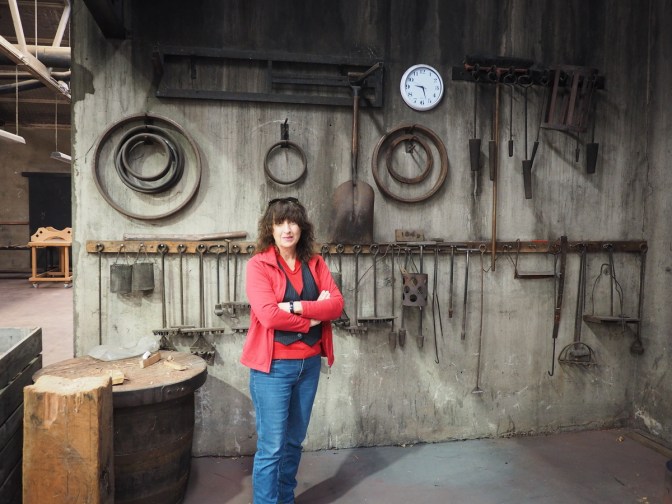
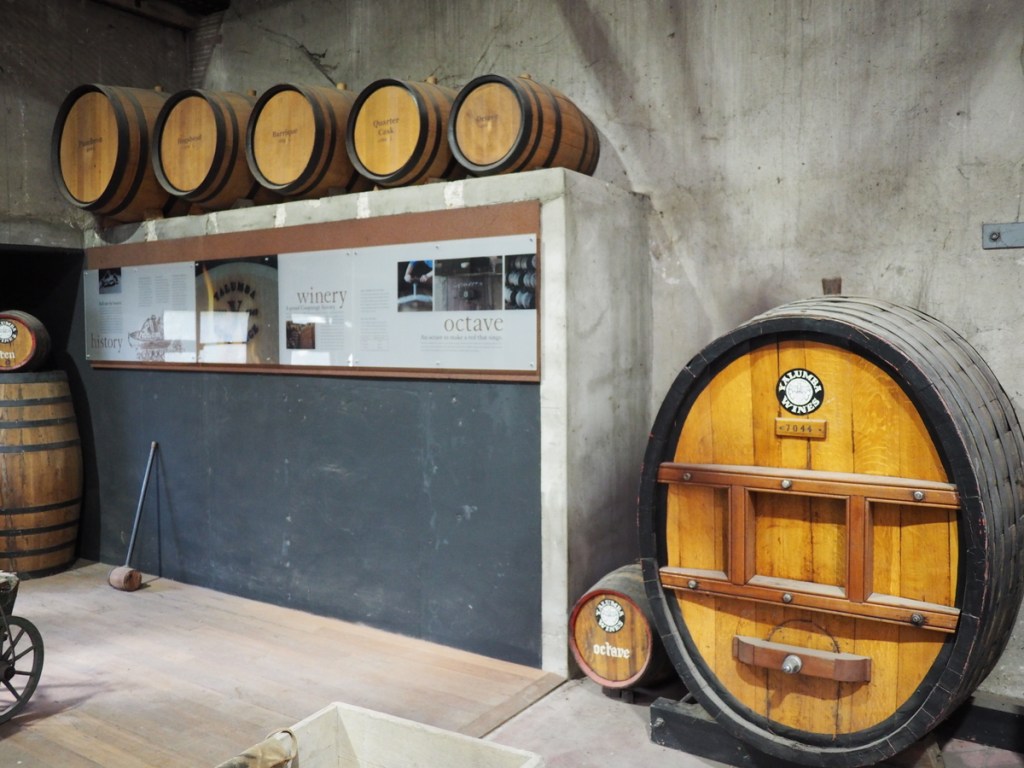
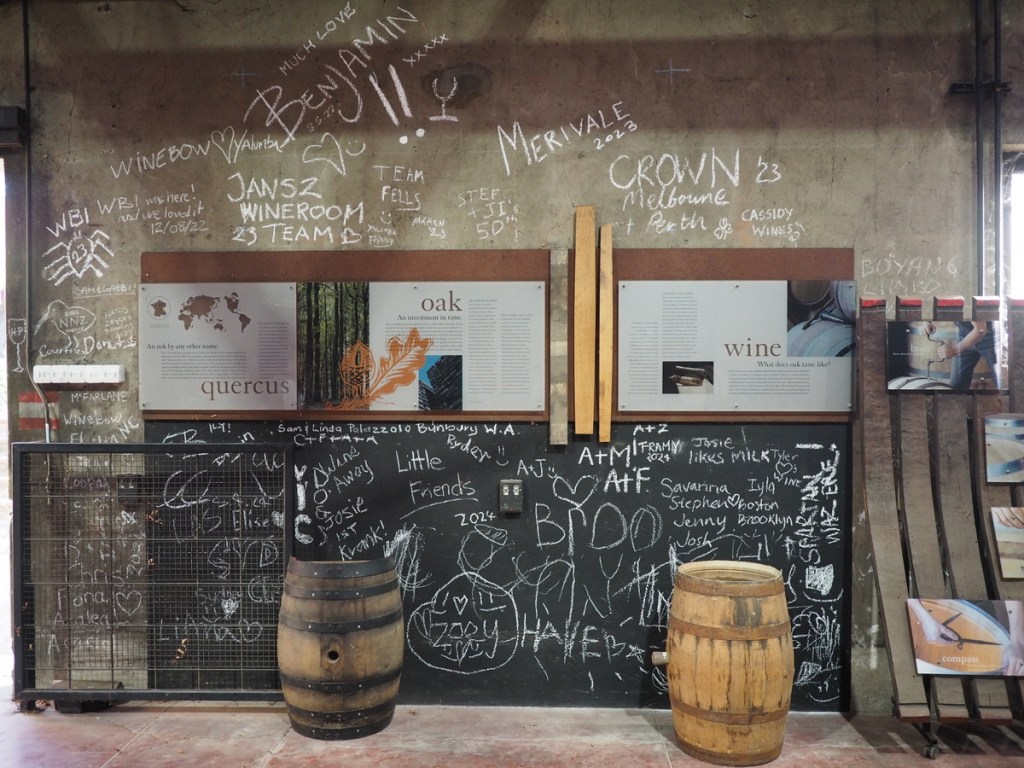
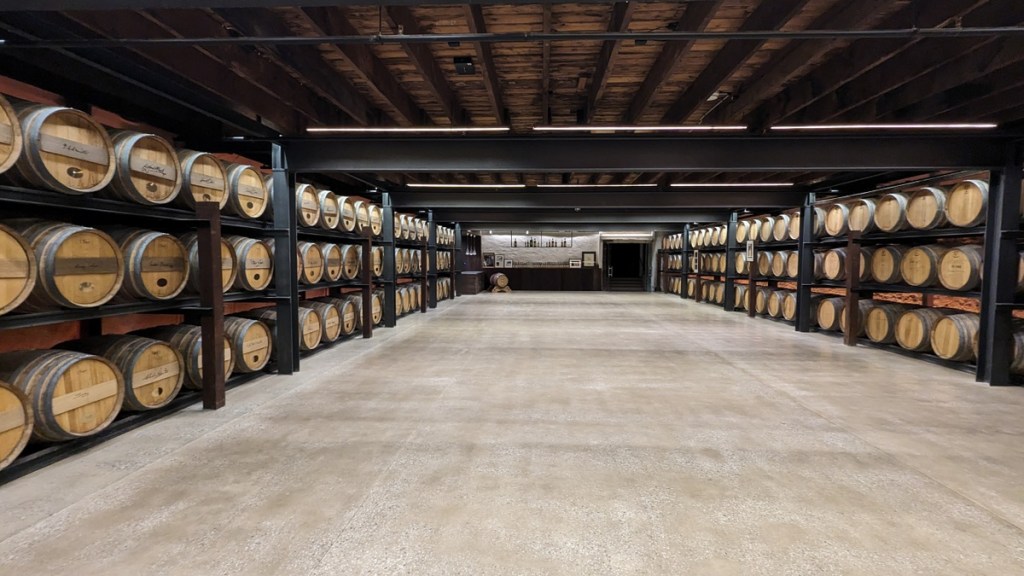
We met the tour guides at Yalumba winery. The first part was a tour of the on site cooperage.



Barossa Valley Chocolate Shop
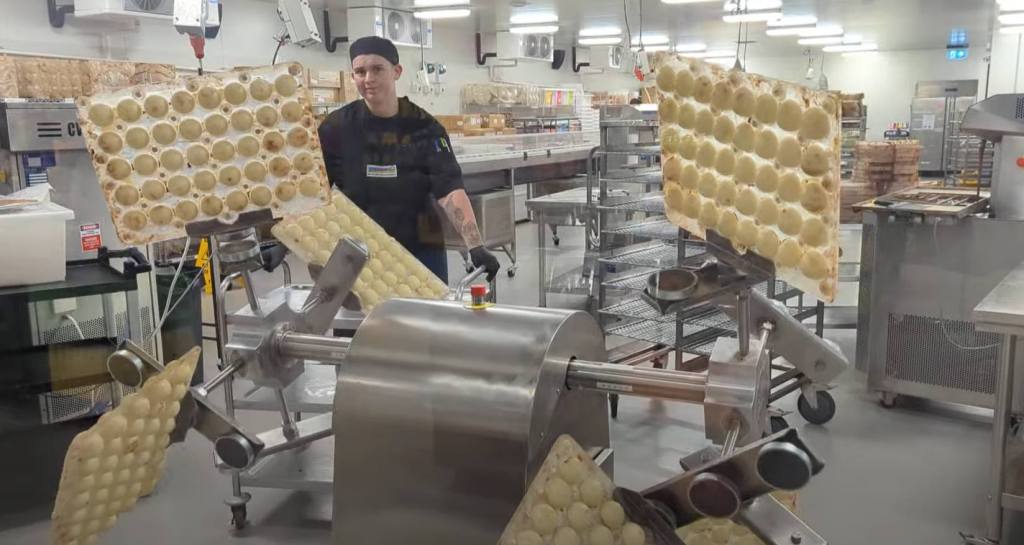
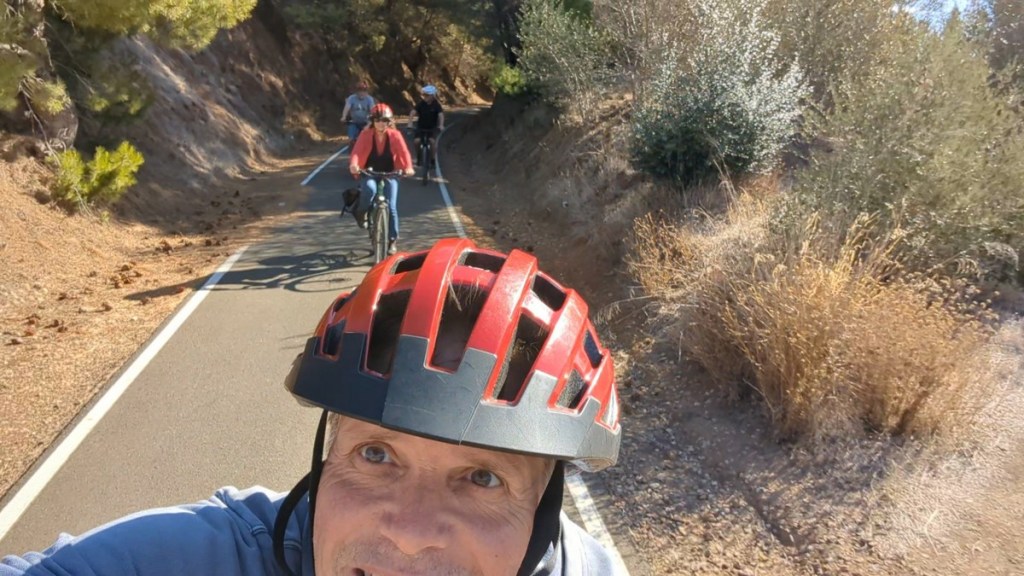
We left the cooperage and started the ebaike tour proper. After some ebike training and familiarisation we headed off down the road to our first stop, the Barossa Valley Chocolate Shop where we would get some food before the wine tasting.

Artisan Wine Tasting

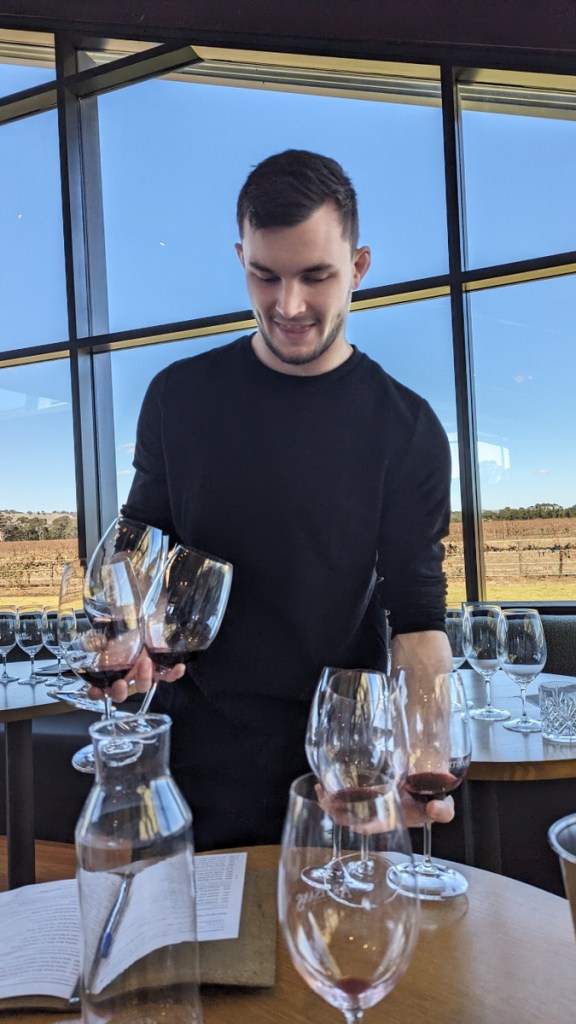

We stayed at Artisans a little too long and so we had to get on the road sharpish to get to the next stop.
Barossa Valley Cheese Company

We ate some cheese and got back on the bikes to ride back to Yalumba for some more wine tasting.
Yalumba, again
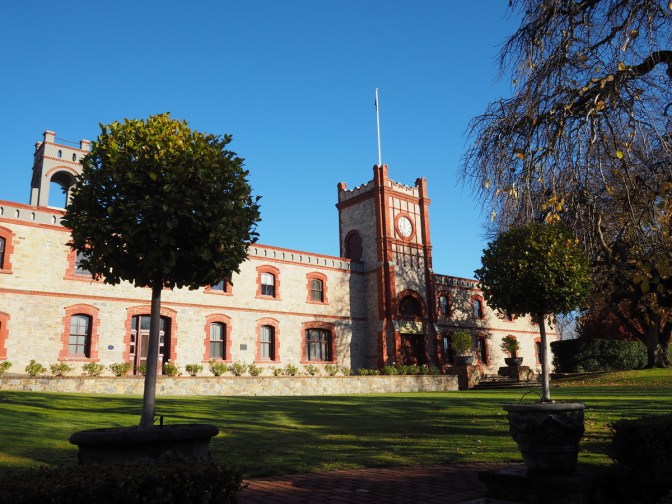
Yalumba is one of the oldest wineries in the Barossa Valley. Its first vines were planted in 1849 by Samuel Smith. Six generation of his offsping later it is now one of the biggest vinyards in Australia.


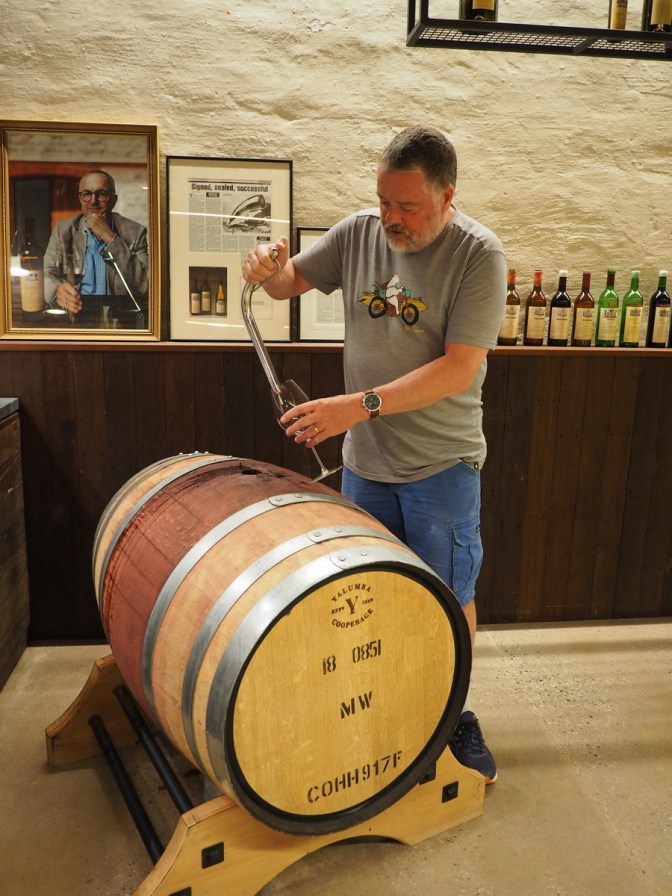
We had a plate of meats and some more Yalumba wine and the tour was over.
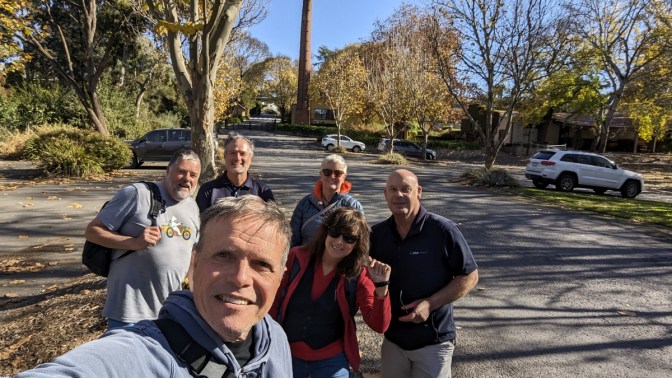
That evening we had dinner in a little cafe in Angaston, got a couple of beers to take home from the bottle shop and then we retired quite early. Next day was a drive to Mount Gambier via a few painted silos.
Coonalpyn
We have featured Coonalpyn silos before on Walligans Travels and its now a mandatory stop if we are ever passing through.
They were painted by Guido van Helten in 2017 and were the first painted silos in South Australia.

Bordertown

Kaniva
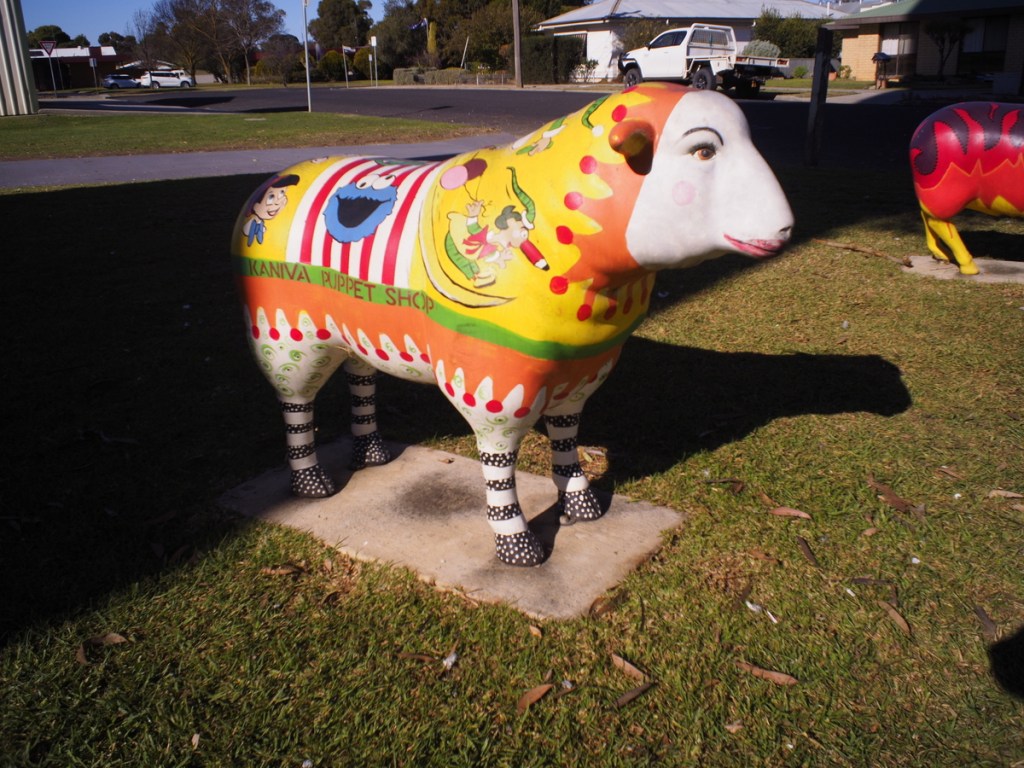
The next painted silo we stopped at was Kaniva where we were surprised to see a whole town of painted sheep.
But we weren’t there for the sheep, we came for the silos.
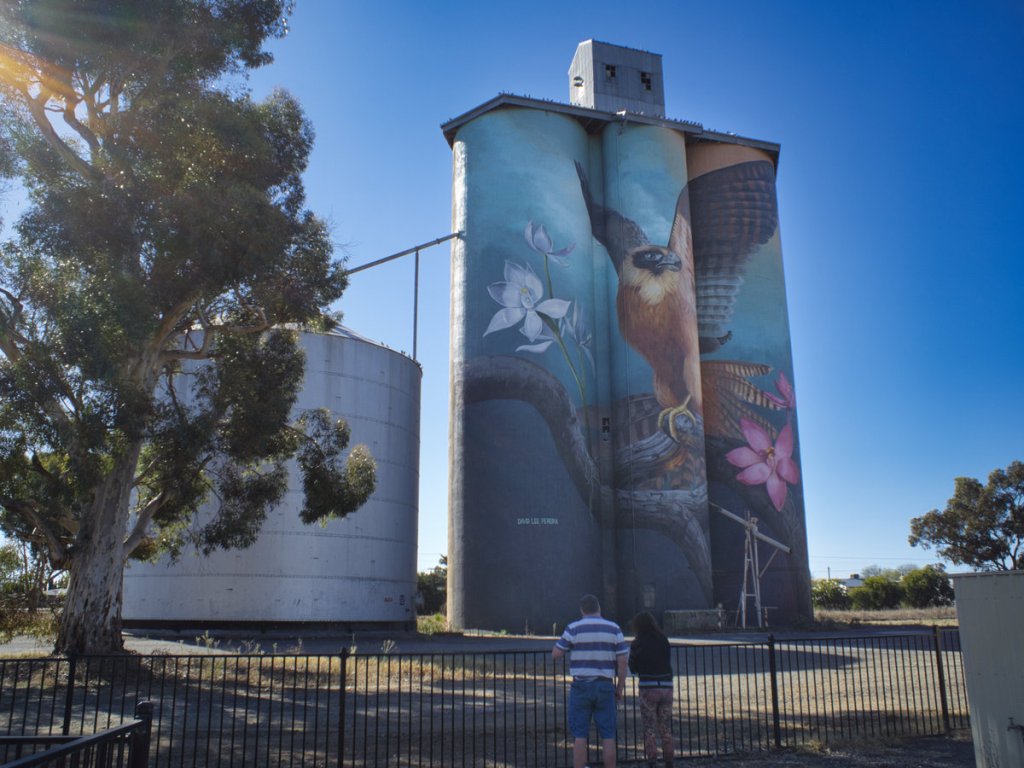
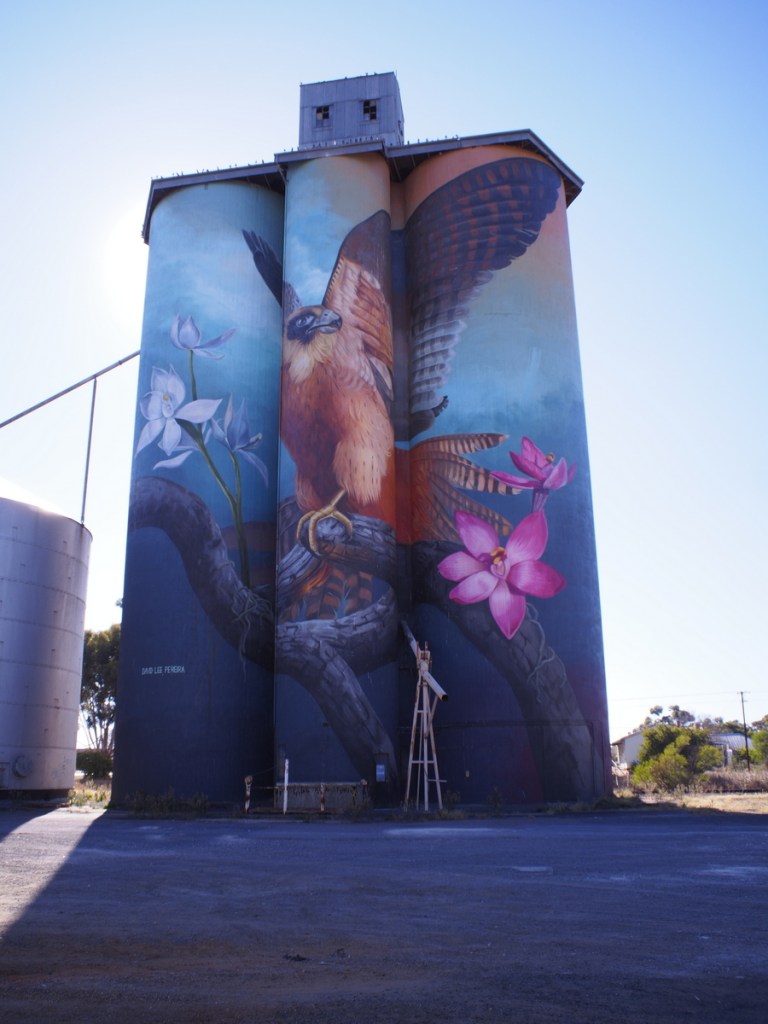
assisted by fellow artist and friend Jason Parker. Local photographer Cindy McDonald
provided the reference images that David chose for the silo.

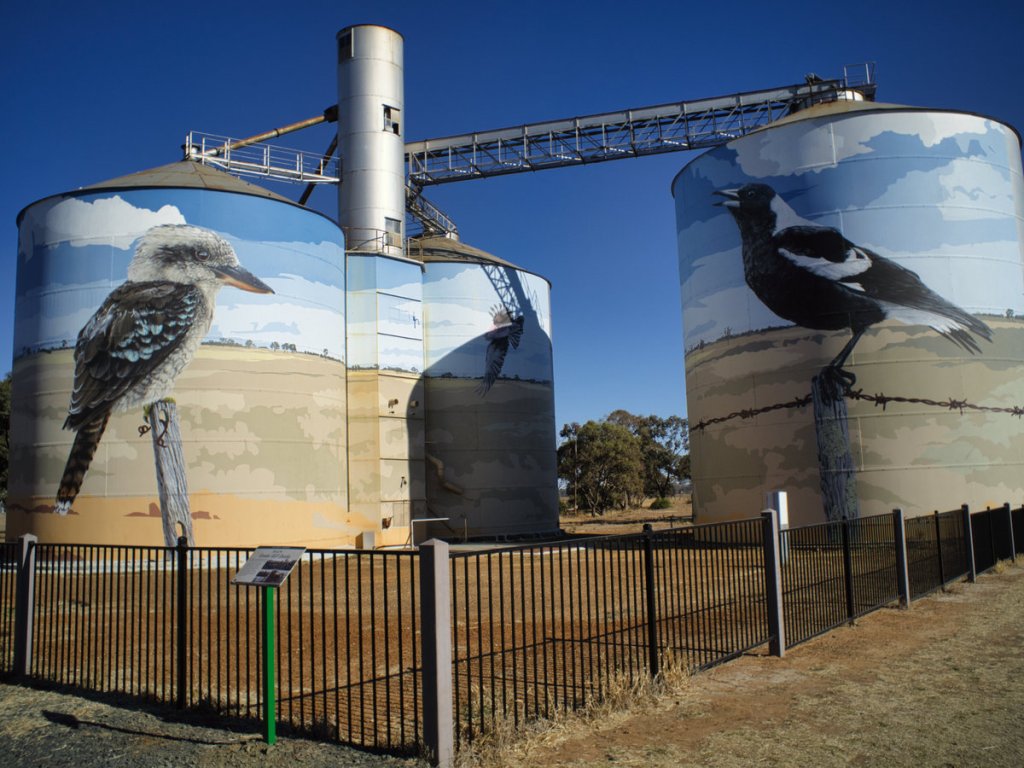
Goroke
A short drive later we were in Goroke.

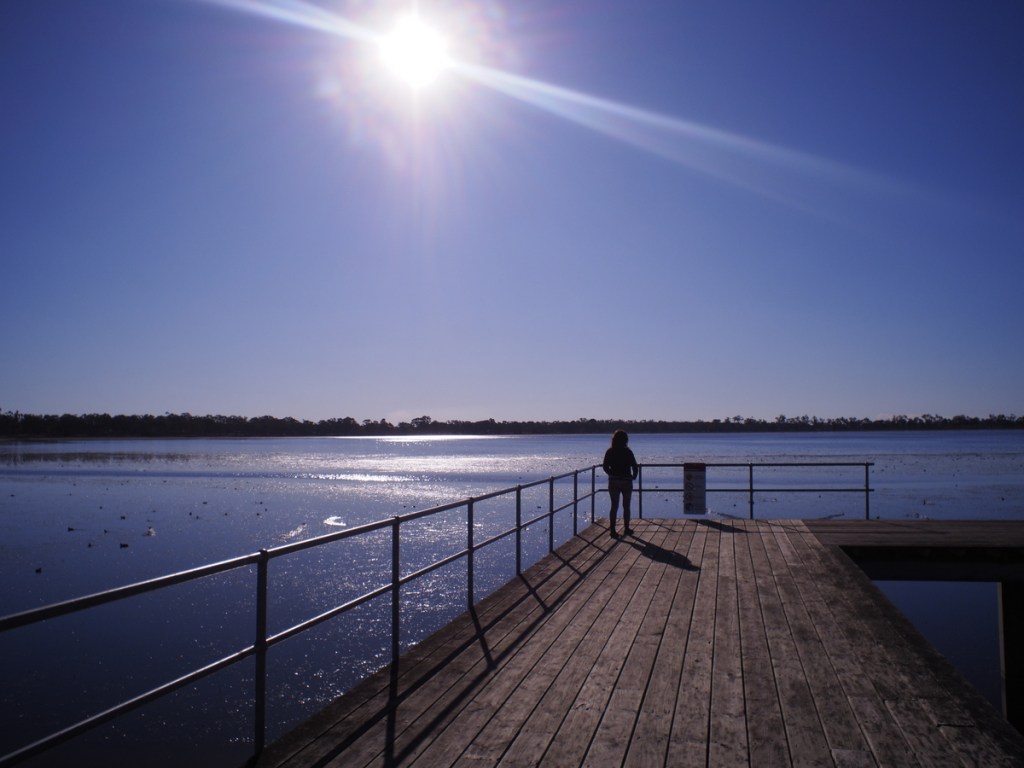
Lake Wallace
Between Goroke and Mount Gambier is Edenhope where we stopped at Lake Wallace.


From Edenhope it was a short and pleasant drive to Mount Gambier, our next overnight stop. We had an excellent dinner at The Barn in Mount Gambier. Highly recommended.

Port Fairy
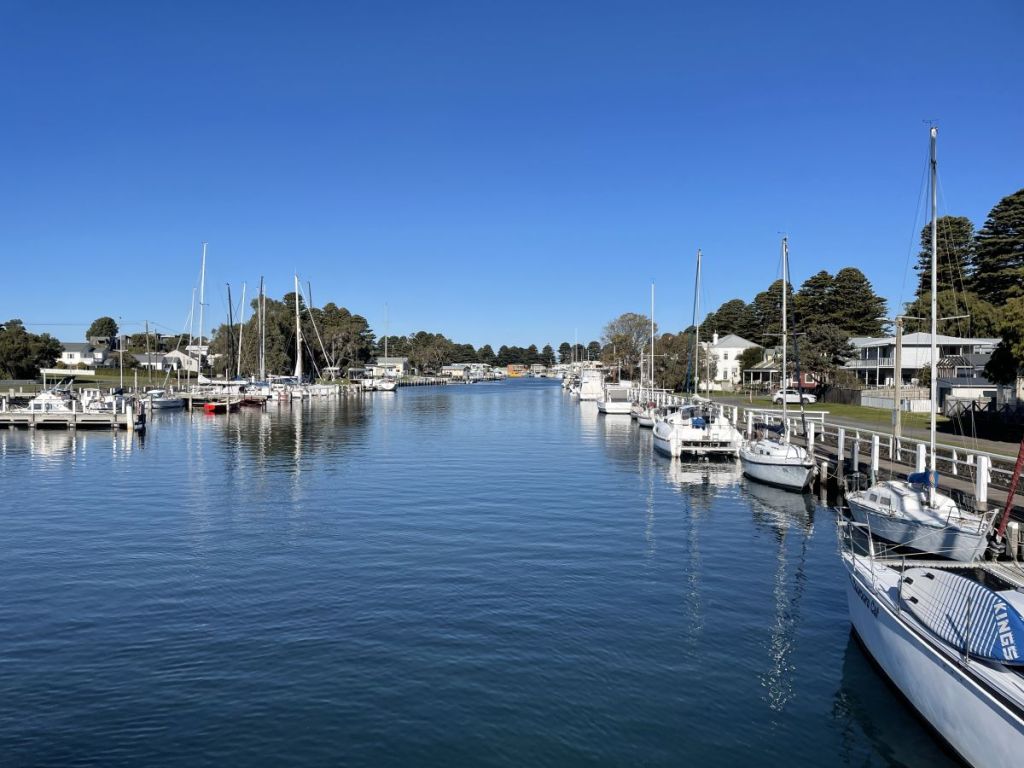
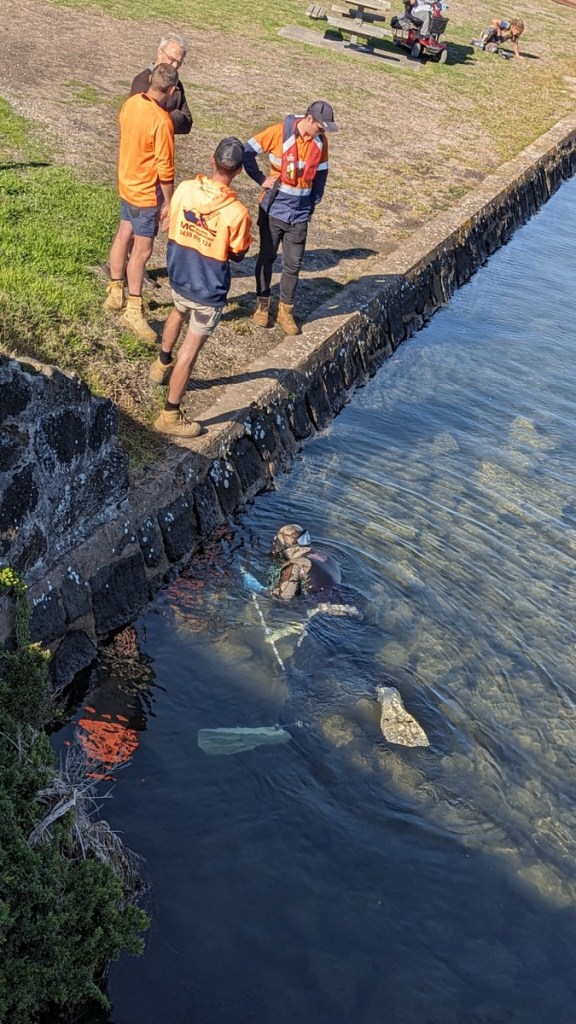
Leaving Mount Gambier on our way to Apolla Bay we drove along the Great Ocean Road and stopped at the picturesque village of Port Fairy.

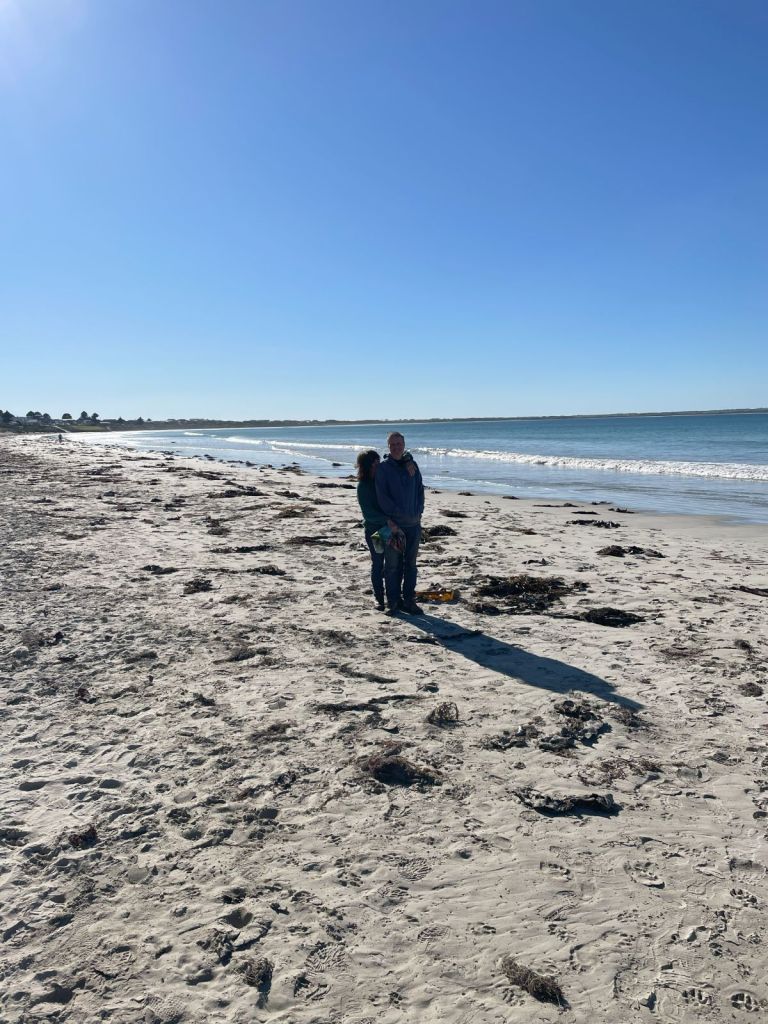

Bay of Martyrs
We paused briefly at the Bay of Martyrs.

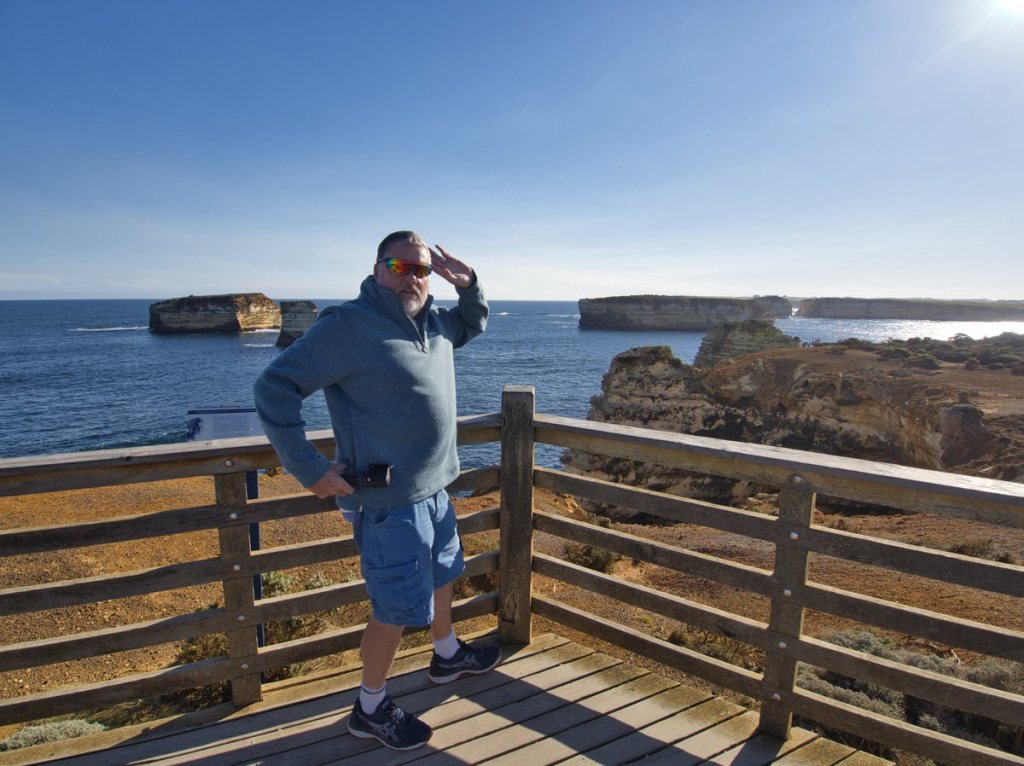

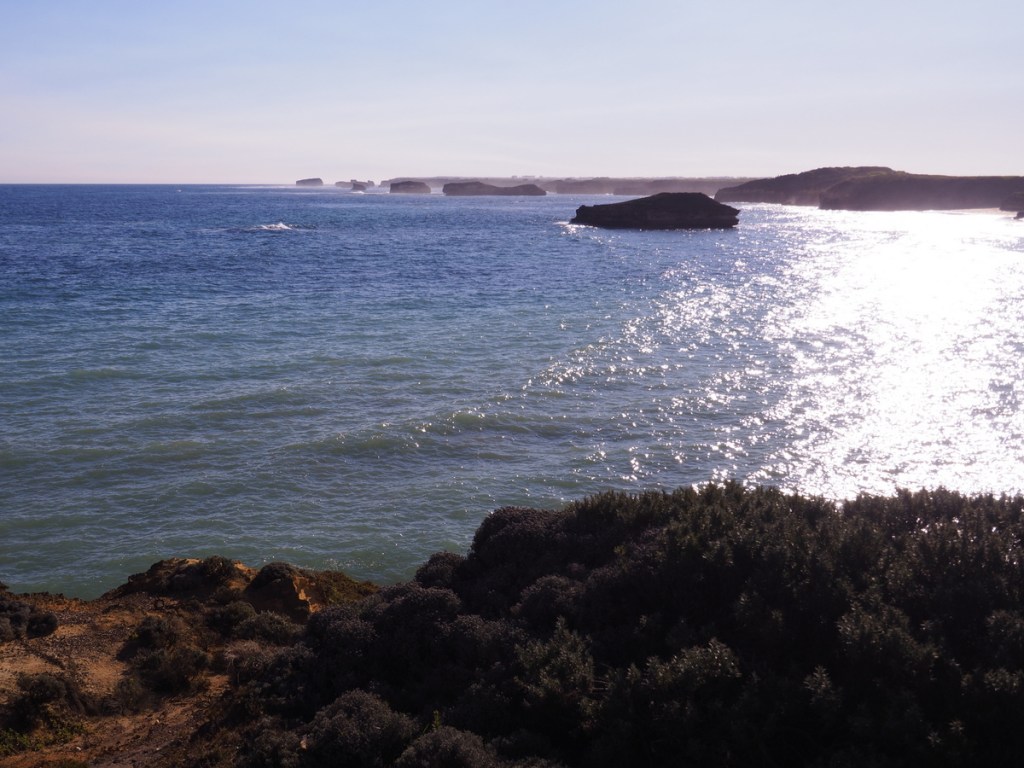
12 Apostles
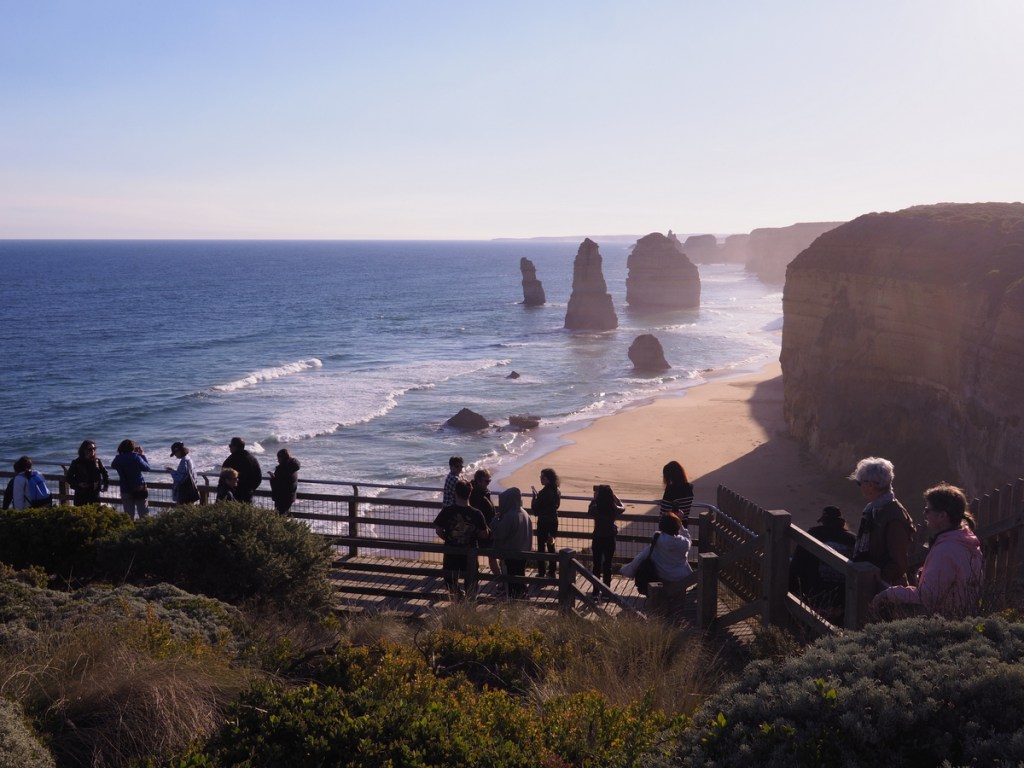
The Twelve Apostles is always busy. We got there at about 4:30 and were hoping the bus loads of tourists had departed by that time. We were wrong.

Apollo Bay
We were staying our last night on the big island at Seafarers Getaway in Apollo Bay. What a pleasant surprise that turned out to be.
As we’d been stopping at every interesting place we found along the road from Mount Gambier we were late checking in. The reception was closed but they left our key and instructions in an envelope.The rooms were little cottages overlooking the bay. The view was spectacular, but for some reason I didn’t take a picture of the view during the day.
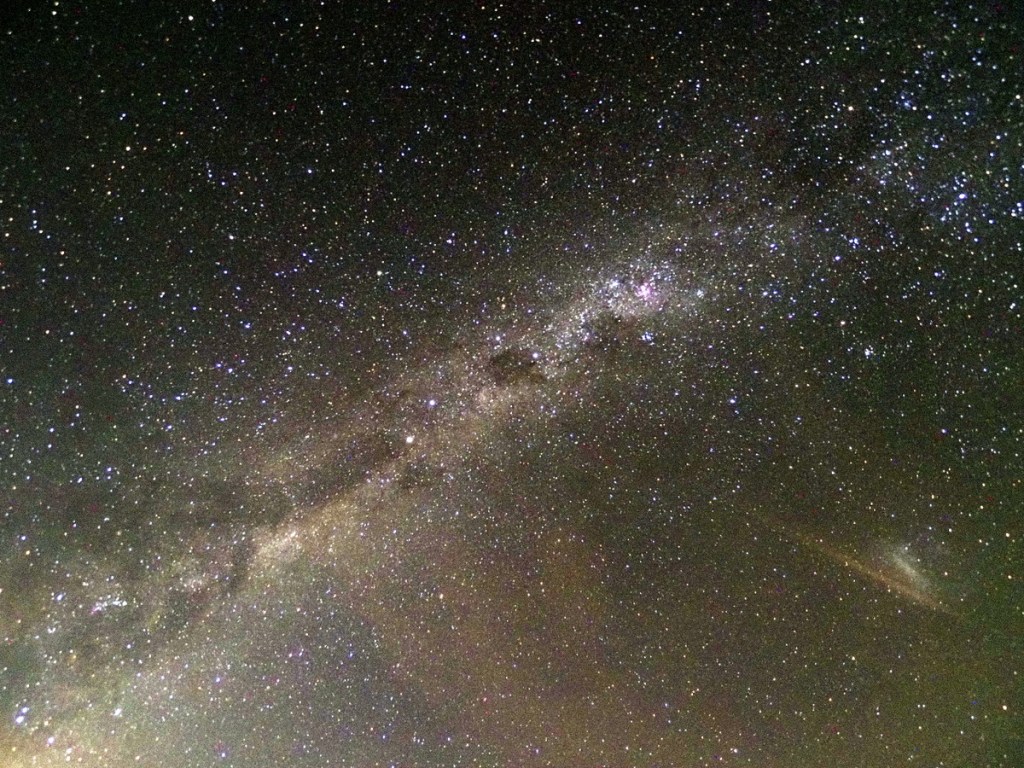
After a decent pub dinner in the brewpub in Apollo Bay we drove back in the dark. The sky was clear, the moon was yet to rise and the Milky Way was out and clear.
Then the moon rose.
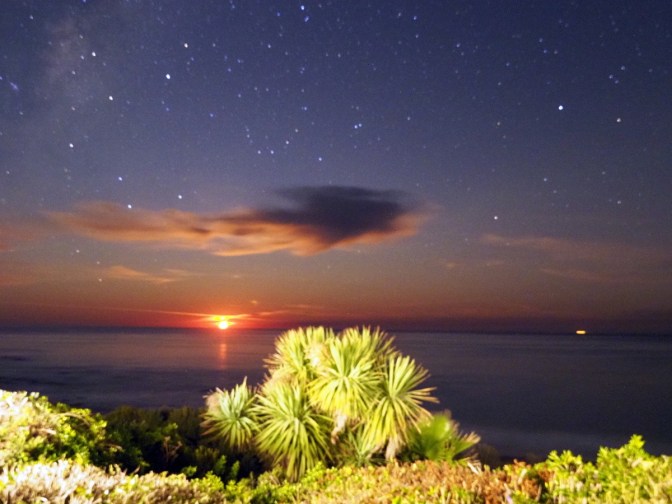
We enjoyed the Seafarers Getaway so much Jenni and I vowed to stay there when we return.
Homeward Bound
Kennett River
Our final day in the big island, we set off along the Great Ocean Road to Melbourne Airport.
We left plenty of time to stop along the way. First stop Kennett River Nature Walk.
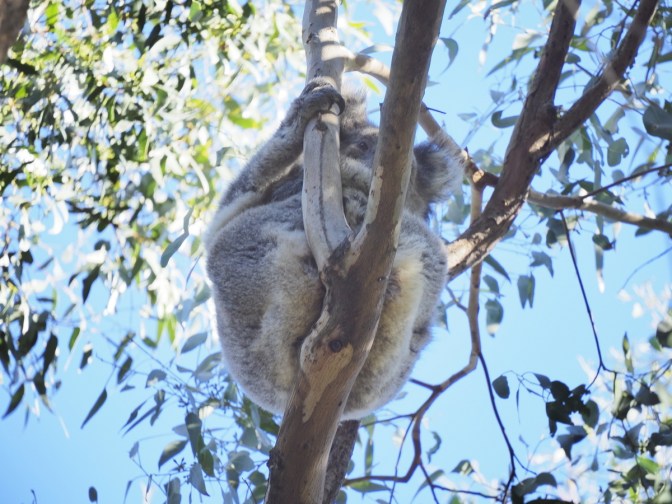
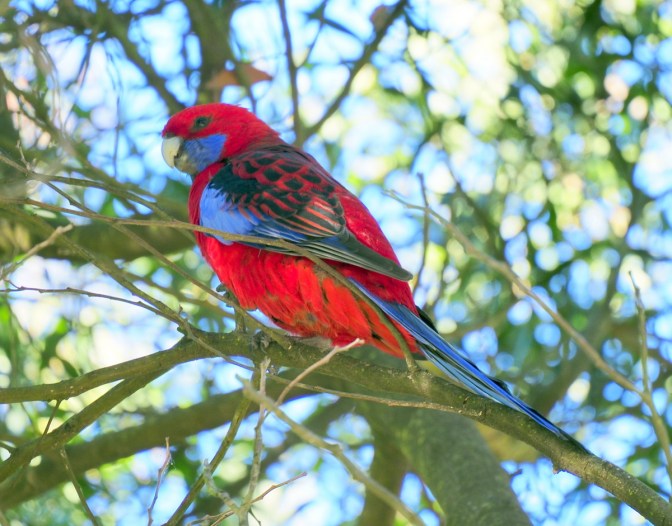
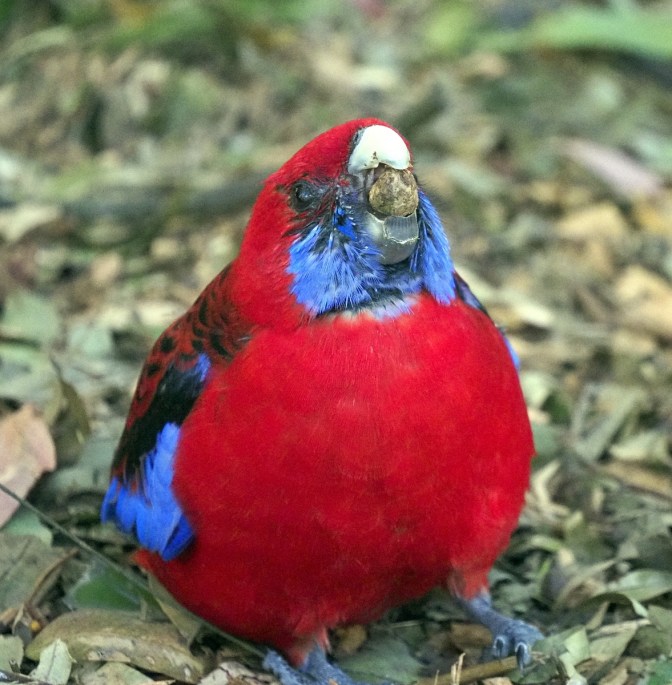
The Crimson Rozellas weren’t sleeping though. There were dozens of these all around, chirping and feeding.
Great Ocean Road
This gate marks the start of the Great Ocean Road for tourists coming from Melbourne. For us it marked the end of the road.
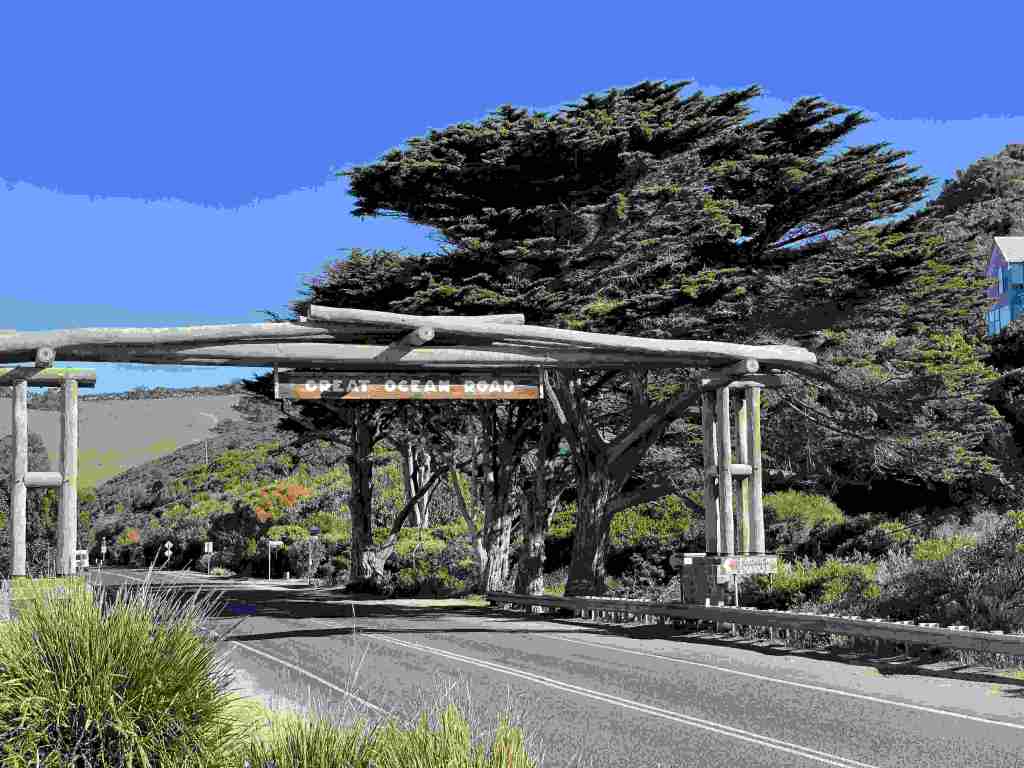
The Great Ocean Road is 240 kms long and is the world’s largest war memorial. We had just driven the full length of it.
Airey’s Inlet
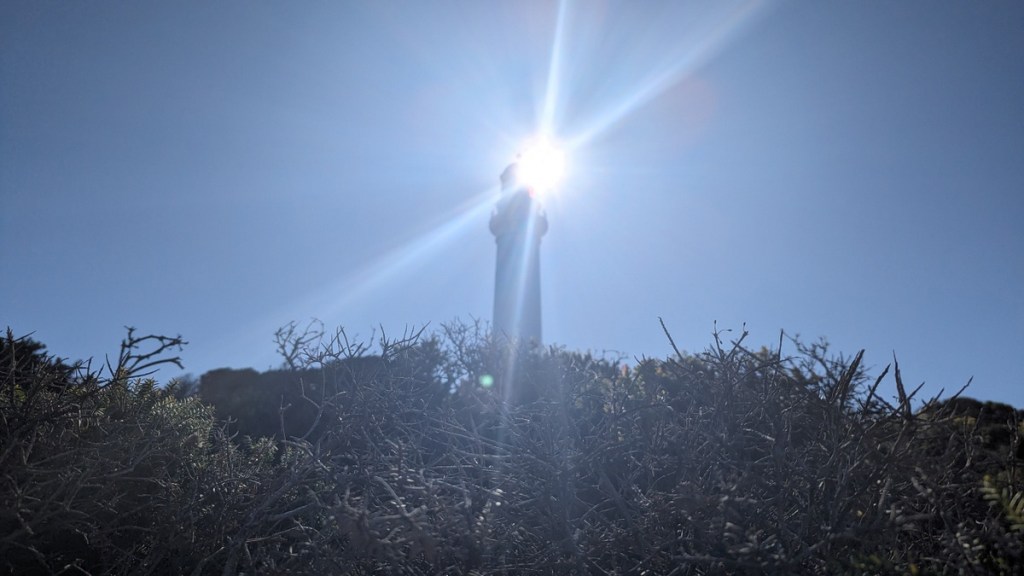
Not far past the arch is Airey’s Inlet, a small hamlet with a big lighthouse. We stopped for some food and a bit of an explore.
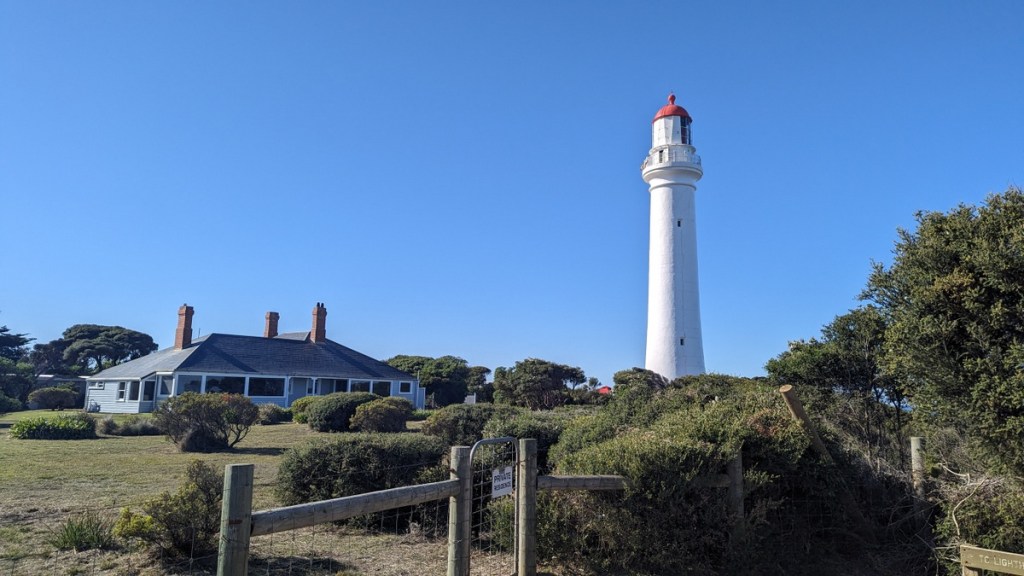

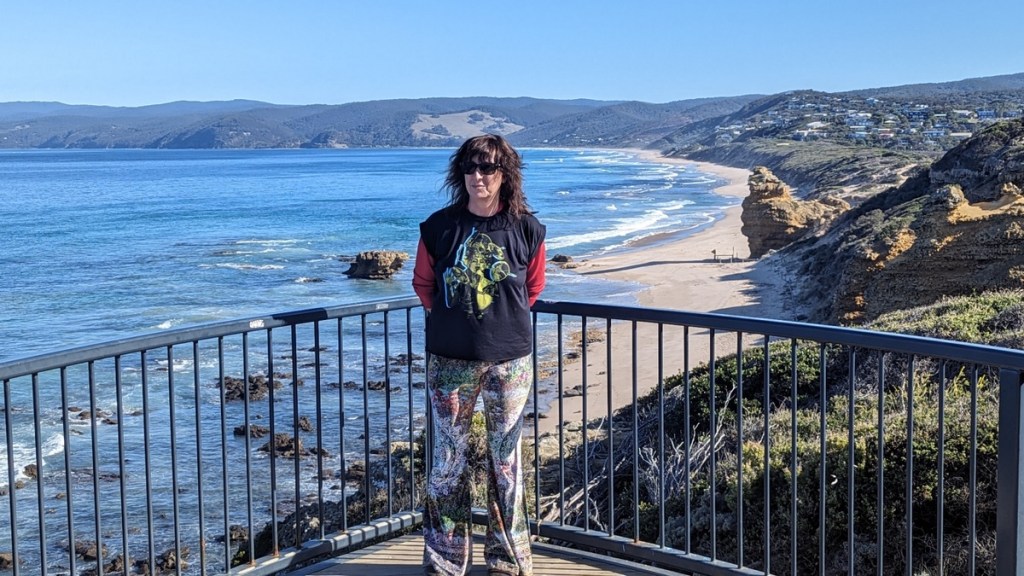
I’m glad we stopped, the coastline was quite something.
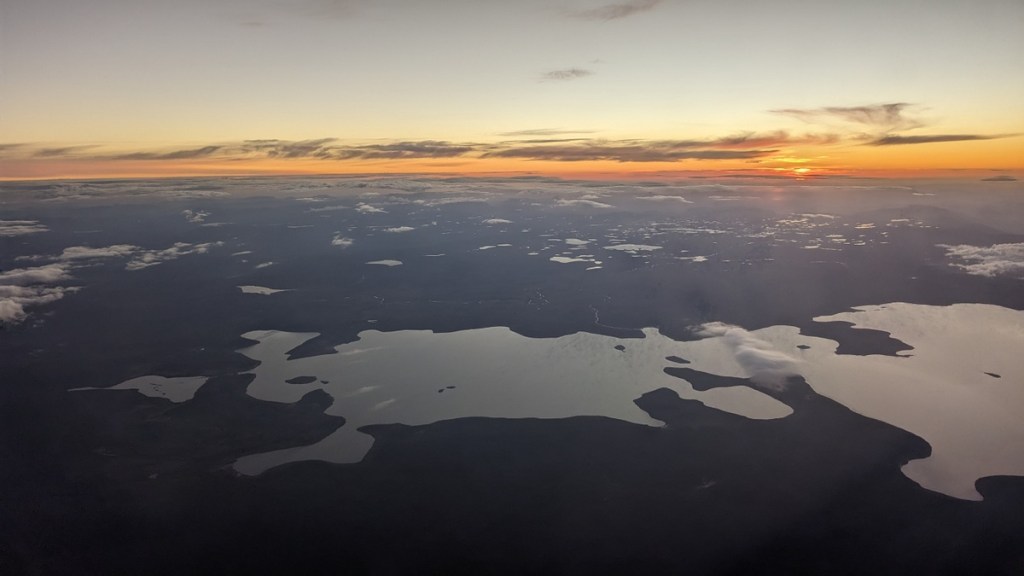
We drove straight to the airport, dropped the car off and headed for the plane.

Hobart
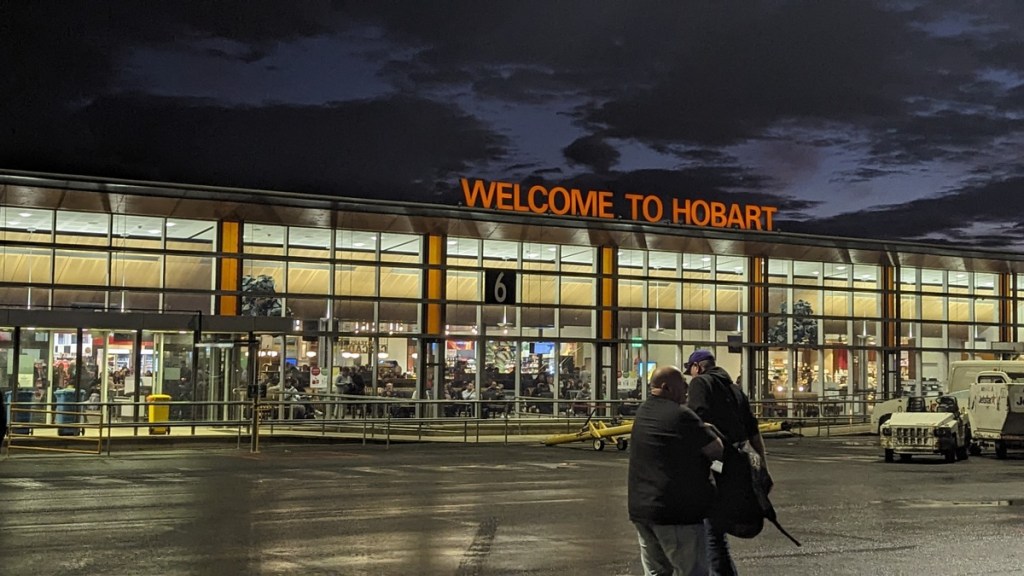
Pretty soon we landed at Hobart Airport. We’d travelled for 14 days and nights, drove over 3,500 kilometres and experienced some amazing things. A pretty epic trip. The trip wasn’t over though, just the part on the big island. This next stage is in Tasmania but thats for the next blog. Can’t wait, it has a giant wombat in it.

 Walligans Travels
Epic’s definitely the word to describe your trip.
LikeLiked by 1 person