Standley Chasm

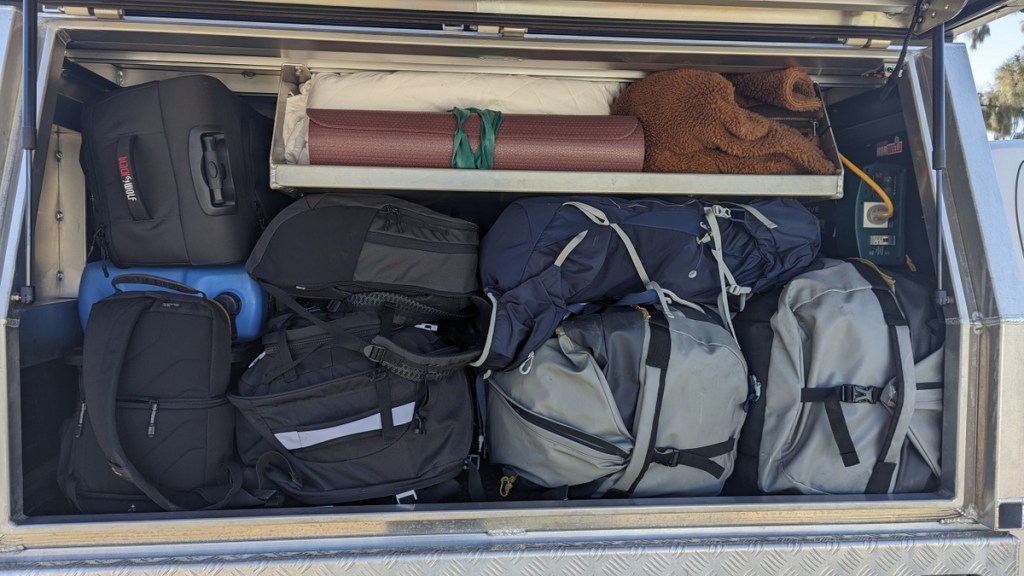
Our bags are packed and we are on our way to Uluru. About 4.5 hours drive and 460 kilometres. Thankfully the Toyota started this time. On this massive journey we wanted to ensure we had time during the drives and between overnight stops to catch as many sights as we could. The journeys would be part of the experience as much as the so called highlight locations.
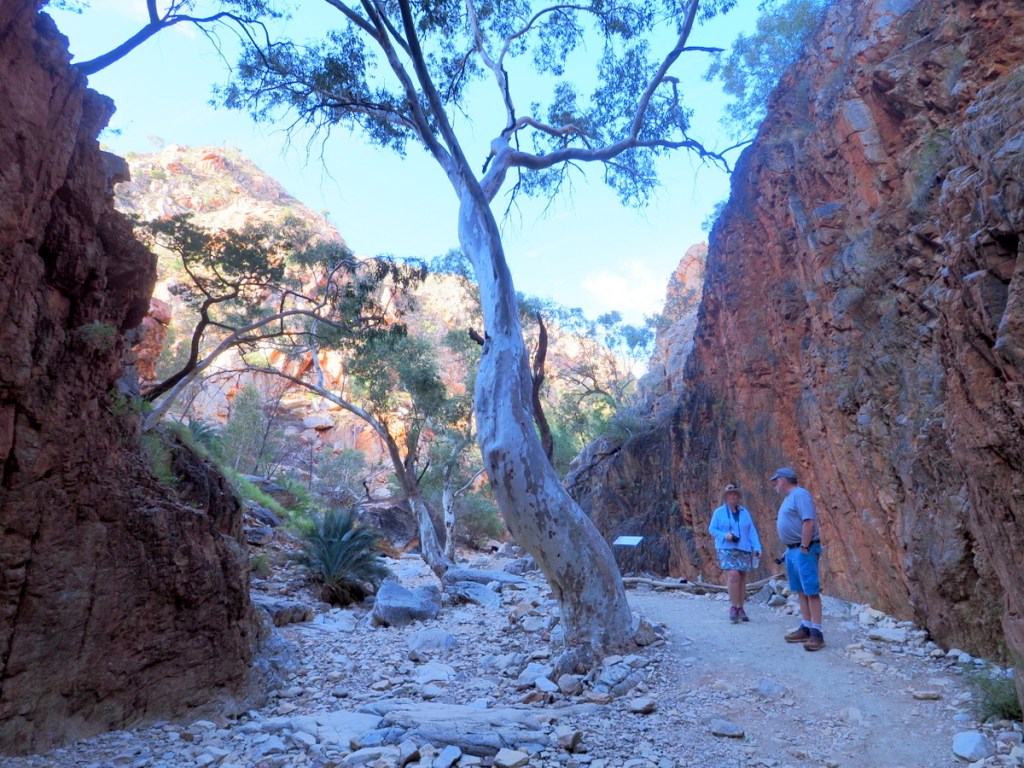
We sidetrekked a bit, just out of Alice Springs, to visit Standley Chasm. Traditionally known as Angkerle Atwatye, meaning “Gap of Water”, Standley Chasm is a ~3-metre-wide, 80-metre-high gorge amongst the West MacDonnell Ranges. Standley Chasm is privately owned and operated by the Western Arrernte people.
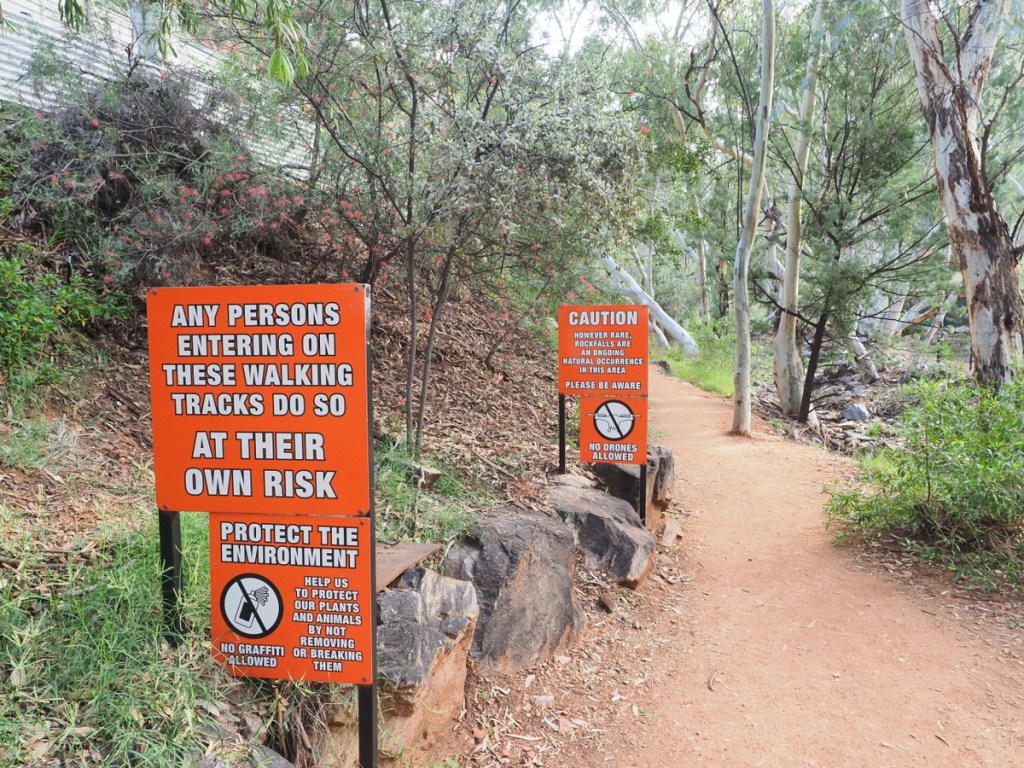
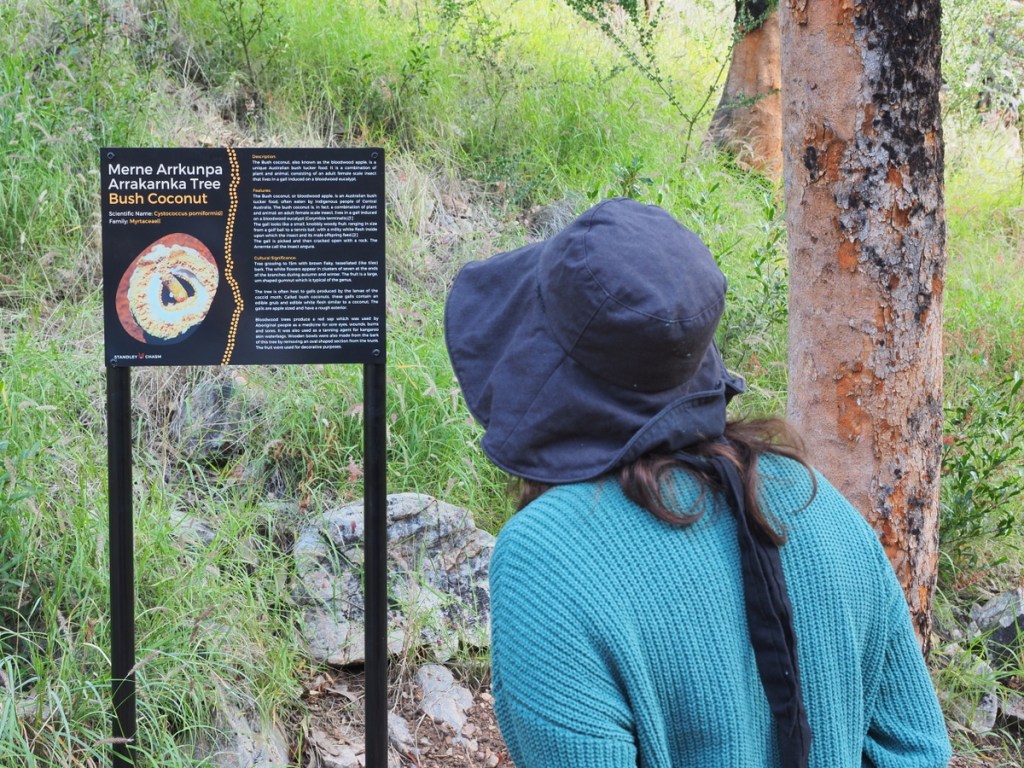
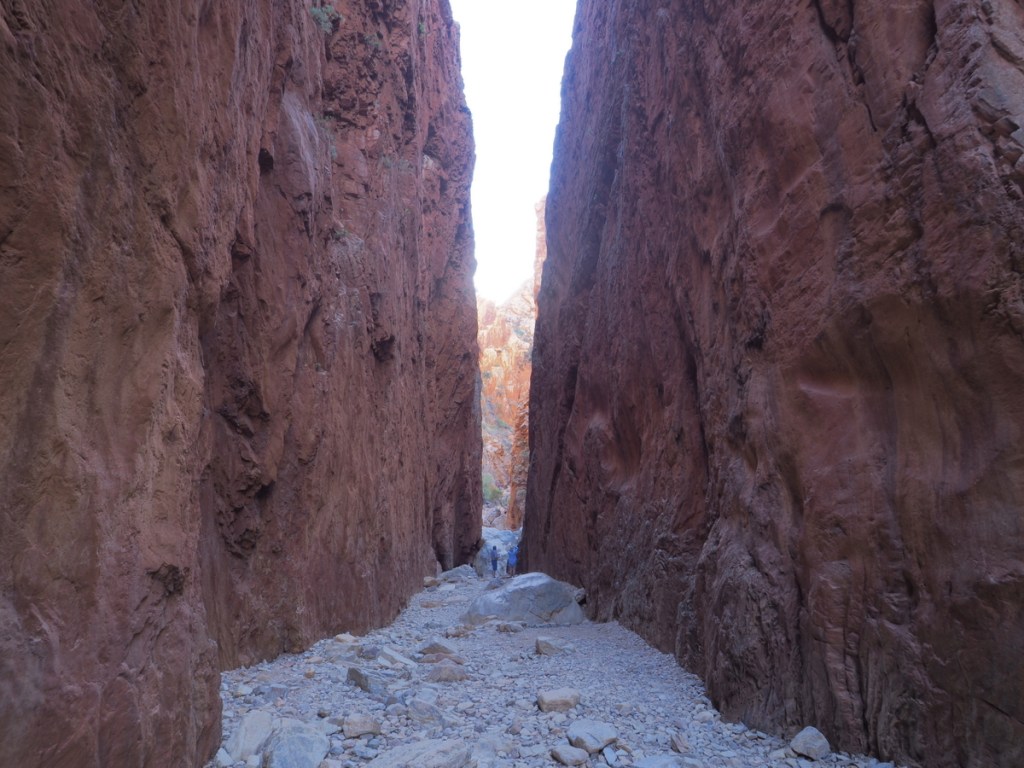
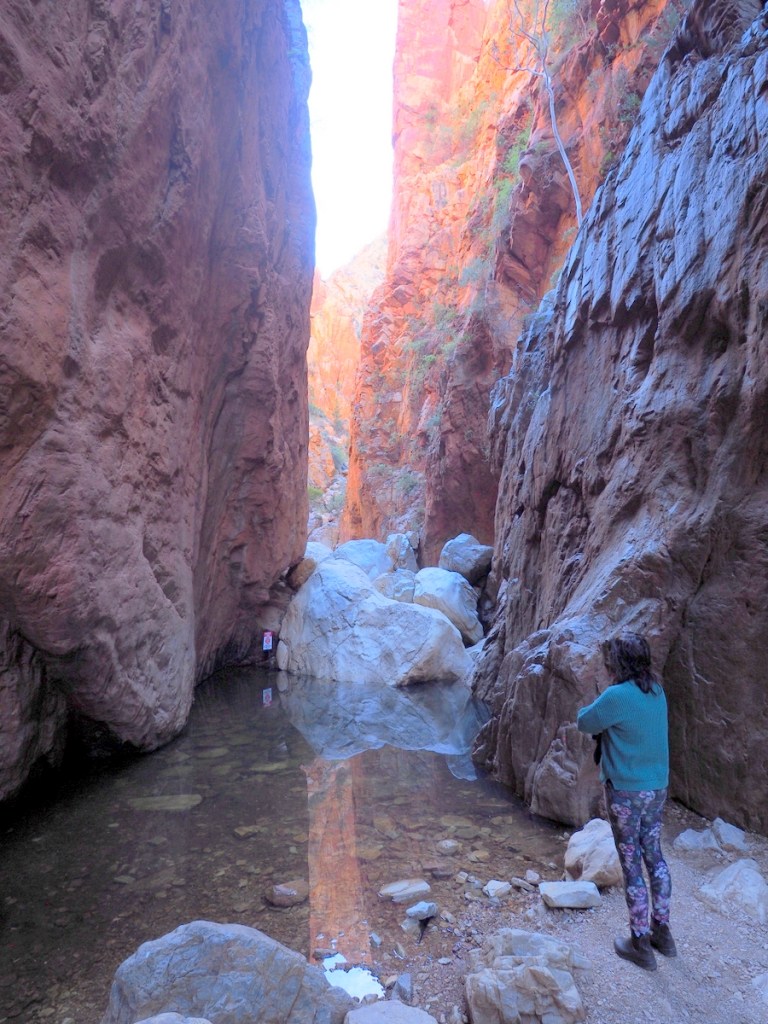
Standley Chasm is well worth a visit. It was getting near lunchtime when we left so we stopped for lunch at the Alice Springs Desert Park.
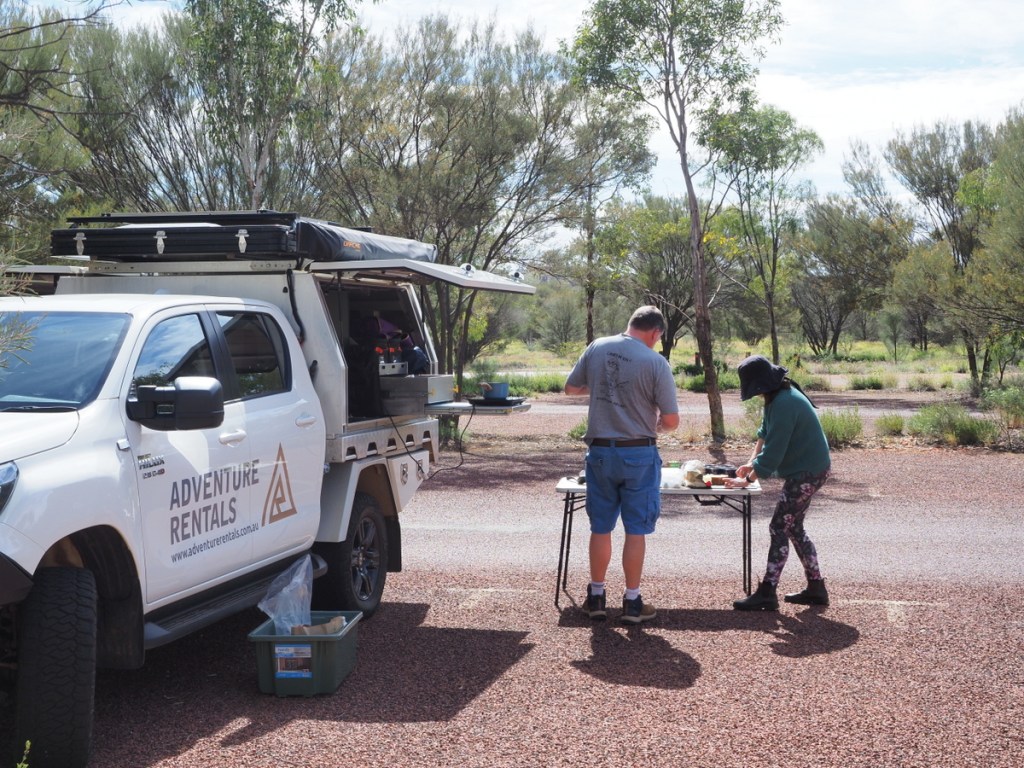
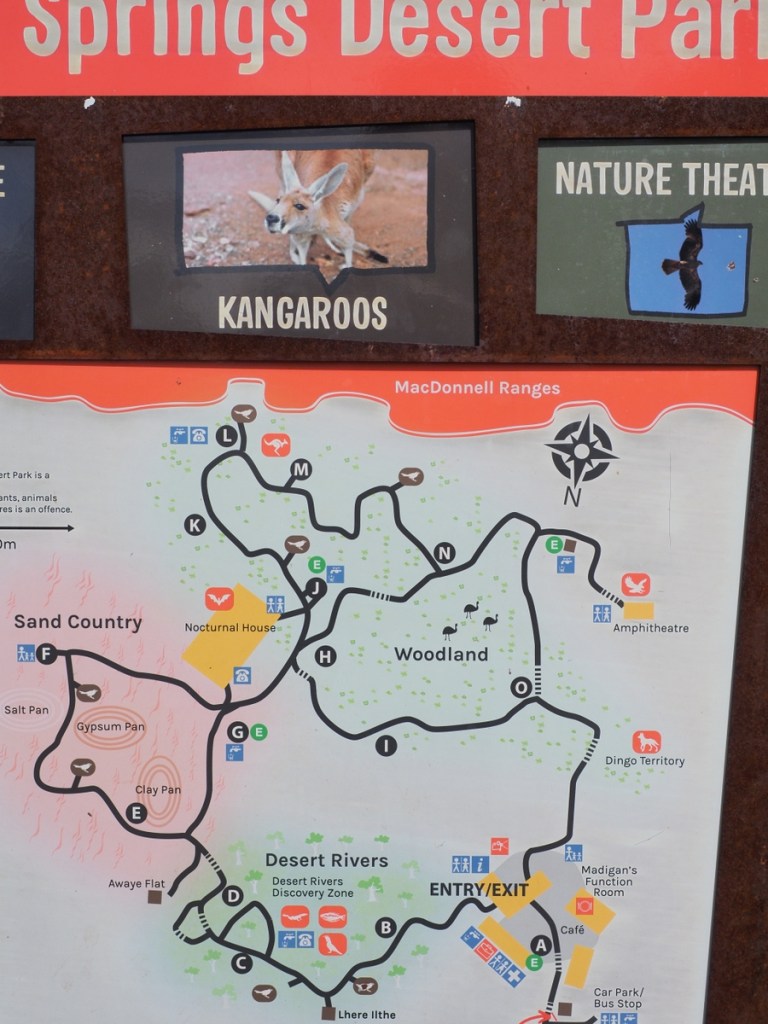
From the Desert Springs Web Site.
“Alice Springs Desert Park is an inspiring portrayal of Australia’s central desert environment that seamlessly blends the plants, birds, animals and people of our arid regions within one, tourism and conservation facility. Opening in 1997, the park covers 1,300 hectares of land seven kilometres west of the Alice Springs town centre. With a core area of 54 hectares the park presents and interprets the Australian desert environment and, its inhabitants while contributing to the conservation of Australia’s desert flora and fauna.“
“Indigenous cultures intrigue and fascinate people, particularly with regard to the way people of these cultures relate to the natural world. There is a need to develop a connection to the environment, to the land, in a spiritual way. In culture all the elements of the land are infused with spirituality and people are connected to all these elements in a spiritual way.”
We certainly felt a connecton to the environment and we’d only just started.
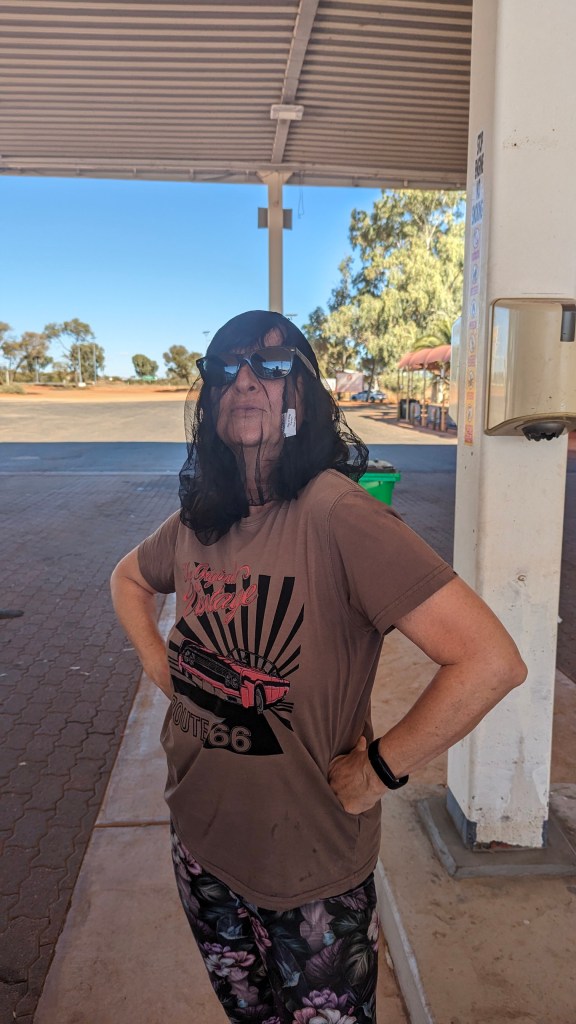
To help us tolerate the flies Andy stopped to get Jenni and me some fashionable headgear. Andy and Jenny had sensibly brought some midge nets from Scotland which did the trick also.
Fooluru
Mount Conner, also known as Artilla or Atila, or tongue-in-cheek as Fooluru sits just off the road to Uluru. Named Fooluru by the locals because many tourists think they’ve arrived at the main attraction. It is impressive in it’s own right.
Uluru at Sunset

Our plan was to arrive at Uluru in time for sunset. A few others had the same plan.


We made it in good time and snagged an excellent viewing spot. Midgey and fly nets were a good decision as the flies were numerous and persistant. They did not spoil the show though. Andy got an amazing timelapse and if I ever pay for the upgrade to show video on here I’ll post it sometime.

We checked into our hotel, Sails in the Desert, had an average dinner and settled in early as we had a big day planned tomorrow.
Uluru sunrise and a walk around the base of the rock.
Uluru at Sunrise
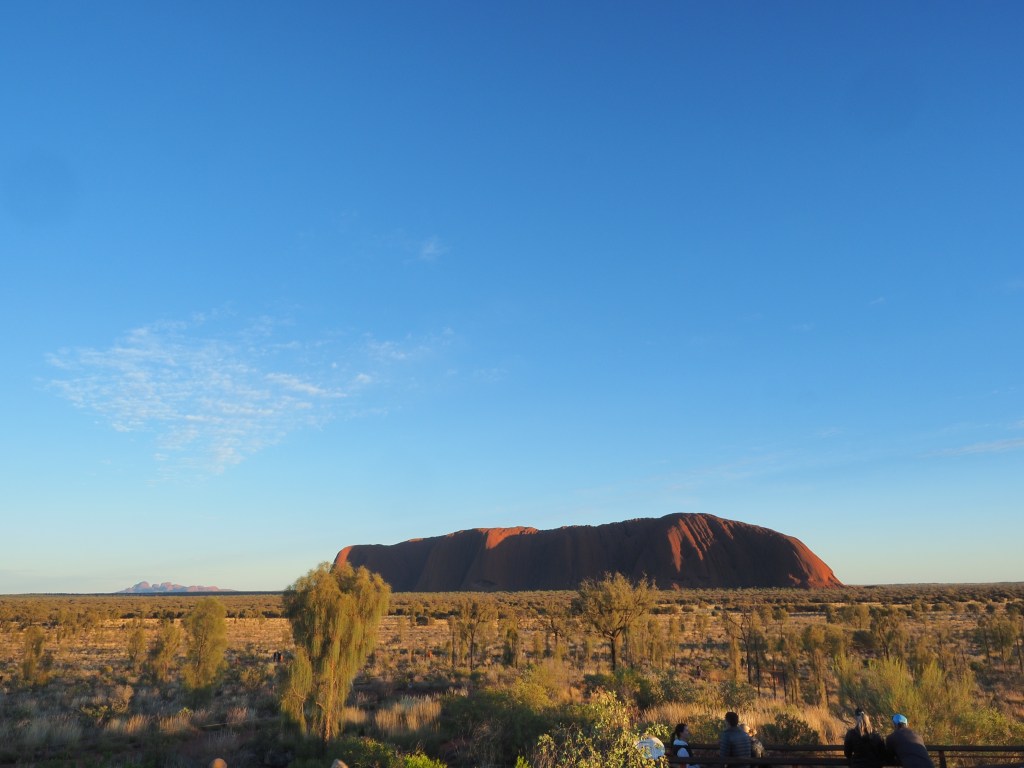
We got there early, so did many other folk.
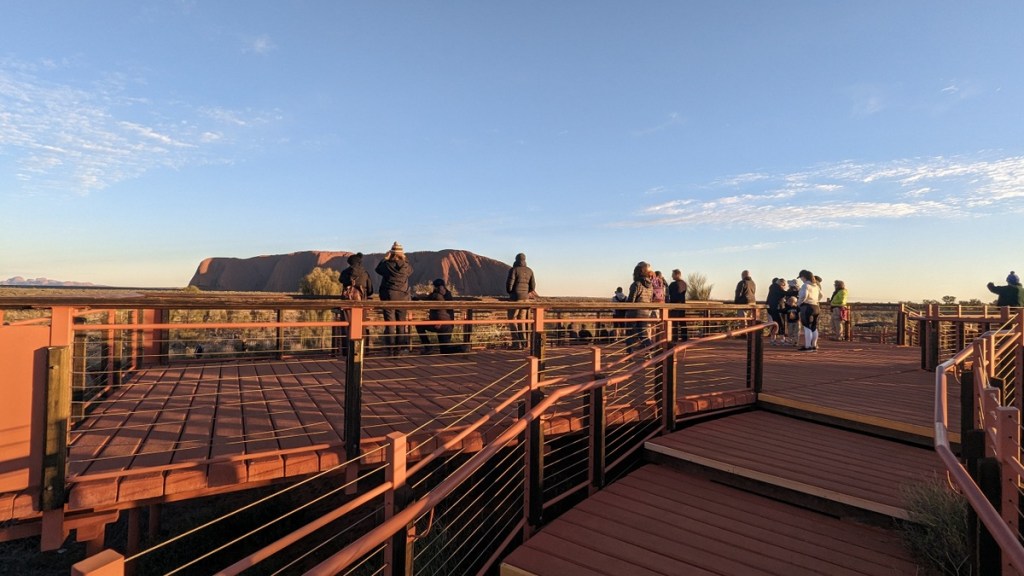
Fortunately there were plenty of viewing spots.
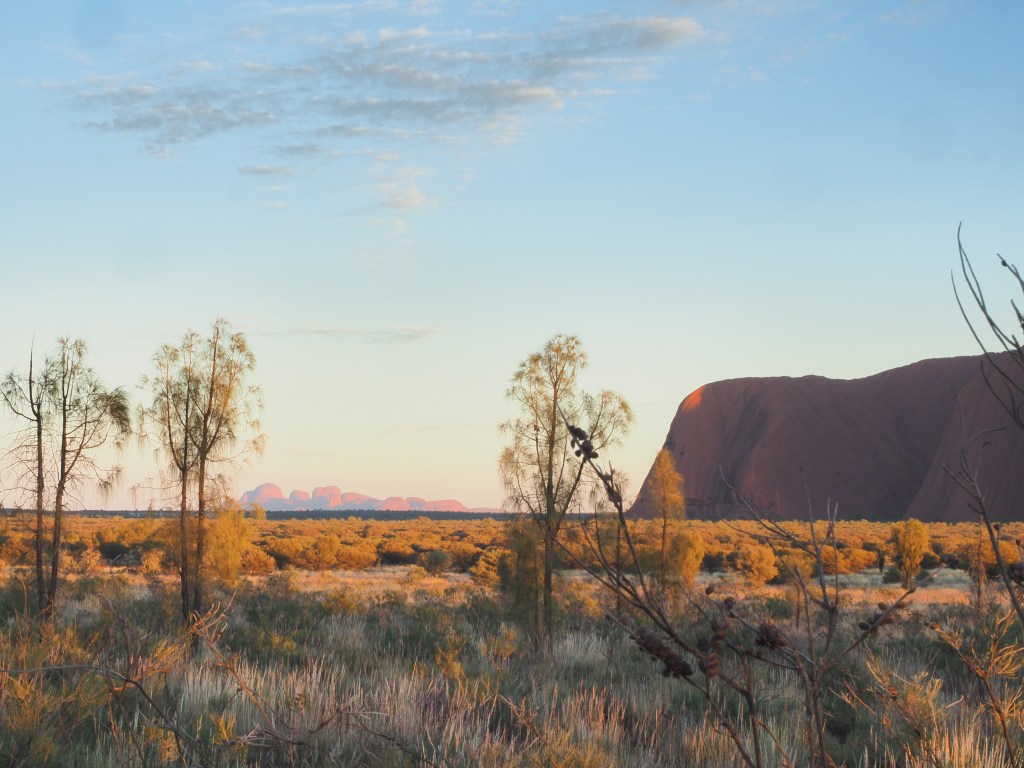
After sunrise we took the opportunity to have a quick portable breakfast in the sunrise car park with Uluru as the backdrop. The camper van was a real bonus. We were fuelling up for our 10km walk around the base of the rock.
Uluru Walk

A short drive later we parked up near the base of the Uluru and began our walk. From the very start it was pretty interesting. It would get even better.


The walk takes about 3-4 hours and is on level ground. The path meanders through the vegetation at the base and sometimes gets right alongside and at other times a distance away.

There were a few sections of the track that were sensitive and signs asked you not to take pictures past that point.
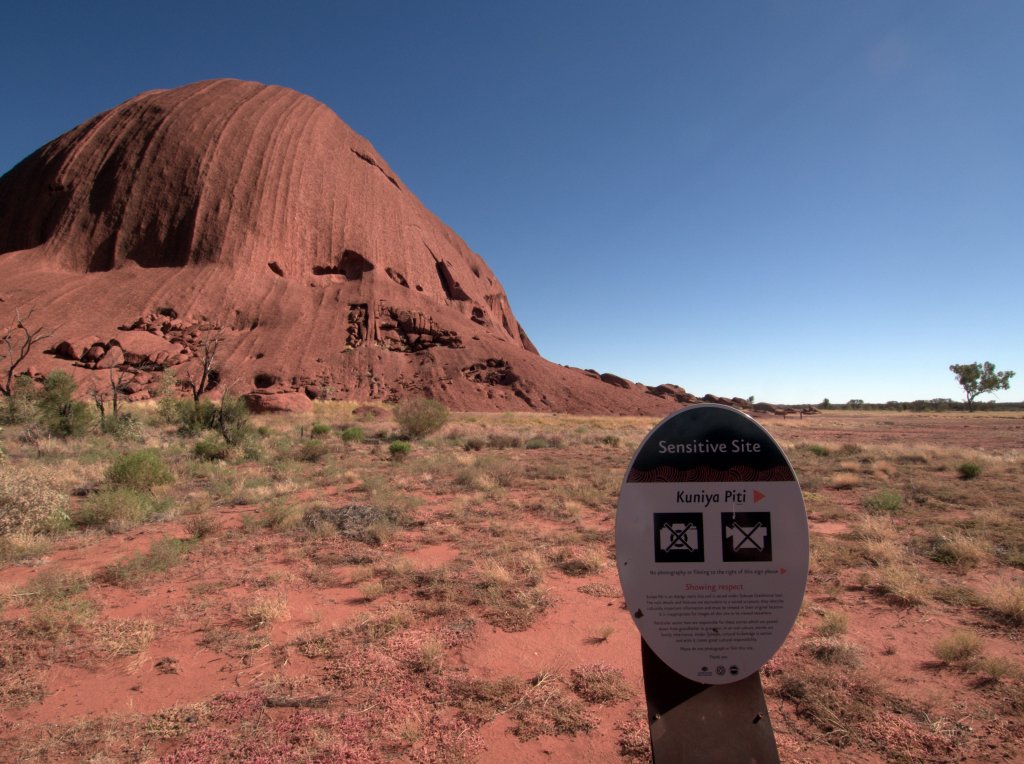
One of the most interesting parts was the waterhole and cave with ancient wall art.
From the web site:
“The rock art around Uluru is evidence of how cultural knowledge and Tjukurpa stories have been passed from generation to generation. The park’s rock art sites have many layers of pictures, symbols and figures painted on top of each other. This is because the same sites have been used in Anangu education for tens of thousands of years. The rock surfaces are like a classroom blackboard that a teacher has used to illustrate a lesson, and only those who attend the class can fully decipher the notes left behind.”
It is thought to be over 30,000 years old.

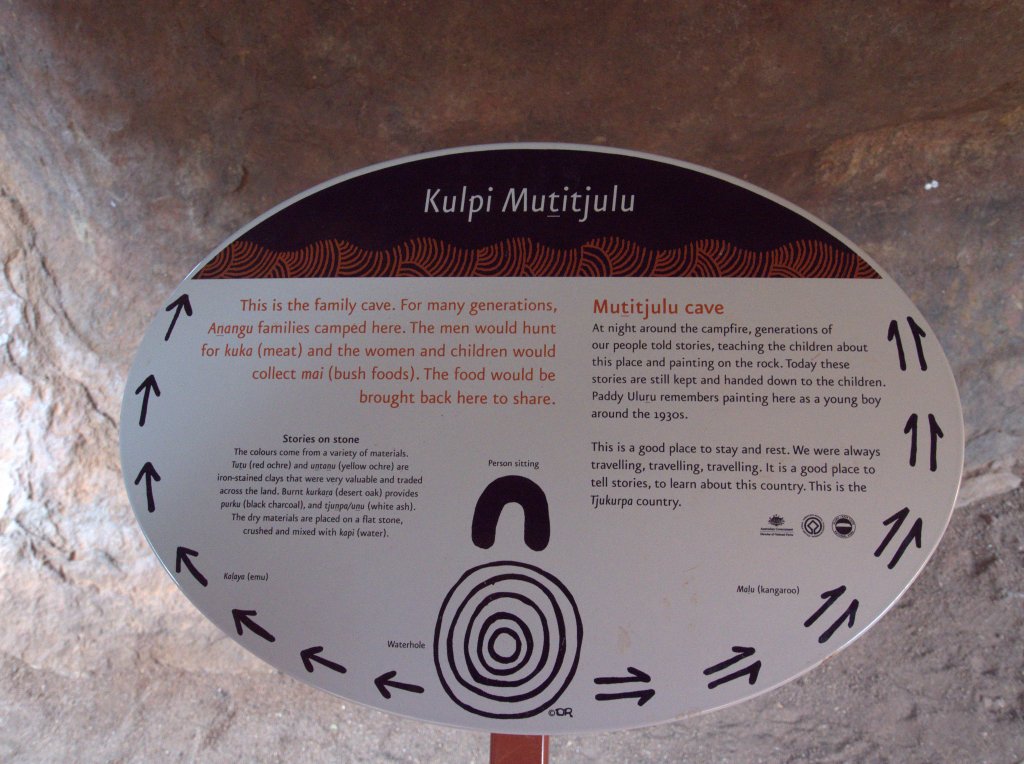
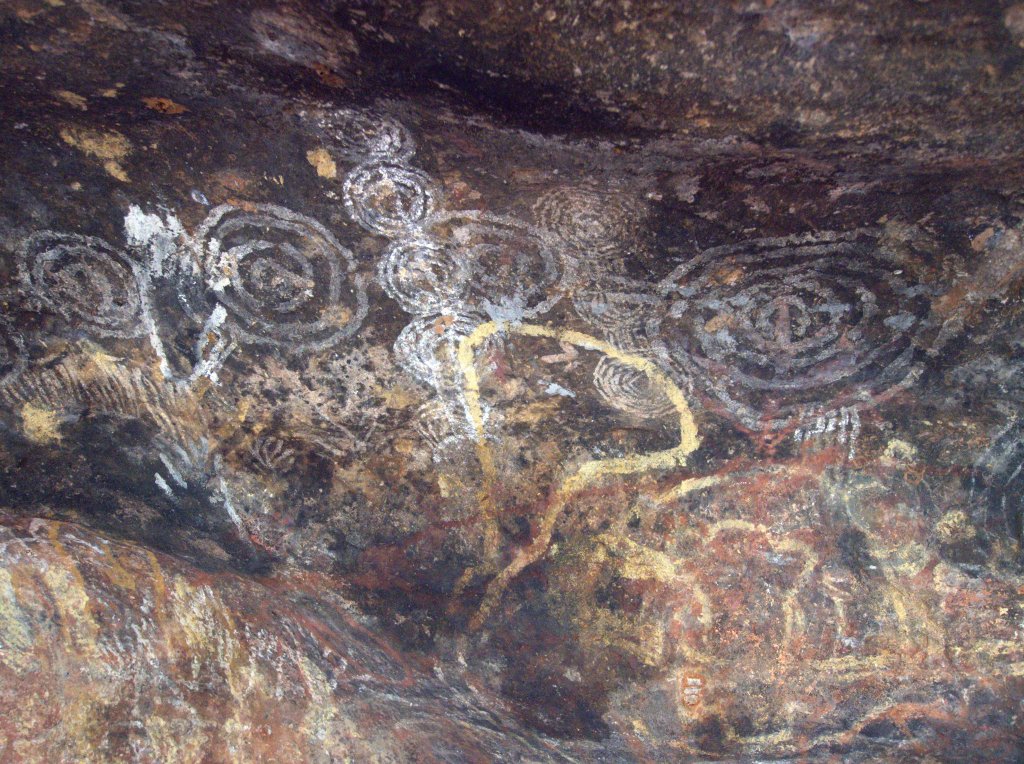
Next to the cave with the art is a waterhole. Described on the plaque as one of the most reliable waterholes in the area. It’s no wonder this was considered a special place.

The script on the plaque recommended you sit for a while in silence and fell the serenity of the place. We did and it was serene. Beautiful.

The face of Uluru changed with almost every step. Each part presented a different face. It was a facinating walk where I took many images, obviously only a few are on here. It was a humbling and spiritual experience. One to be remembered.

After the walk we had a little time to spare. We visited the Kata Tjuta viewing gallery. There are plenty of walks you can do around Kata Tjuta also but we didn’t have that much time as we had to be back in the hotel to get ready for our special feast.
Tali Wiru
As a special, special treat to ourselves we booked dinner at Tali Wiru for that evening.
We got dressed in our finest, well the finest we brought with us. The bus arrived at 4:30 to collect us and drove us to the venue

We were wondering why it was such a cool, but crazy, off road vehicle. We soon found out. The dinner venue was on a sand dune a few kilometres away. Along the rutted and winding road to the dune we nearly hit 3 wild camels who careered across the road in front of us.
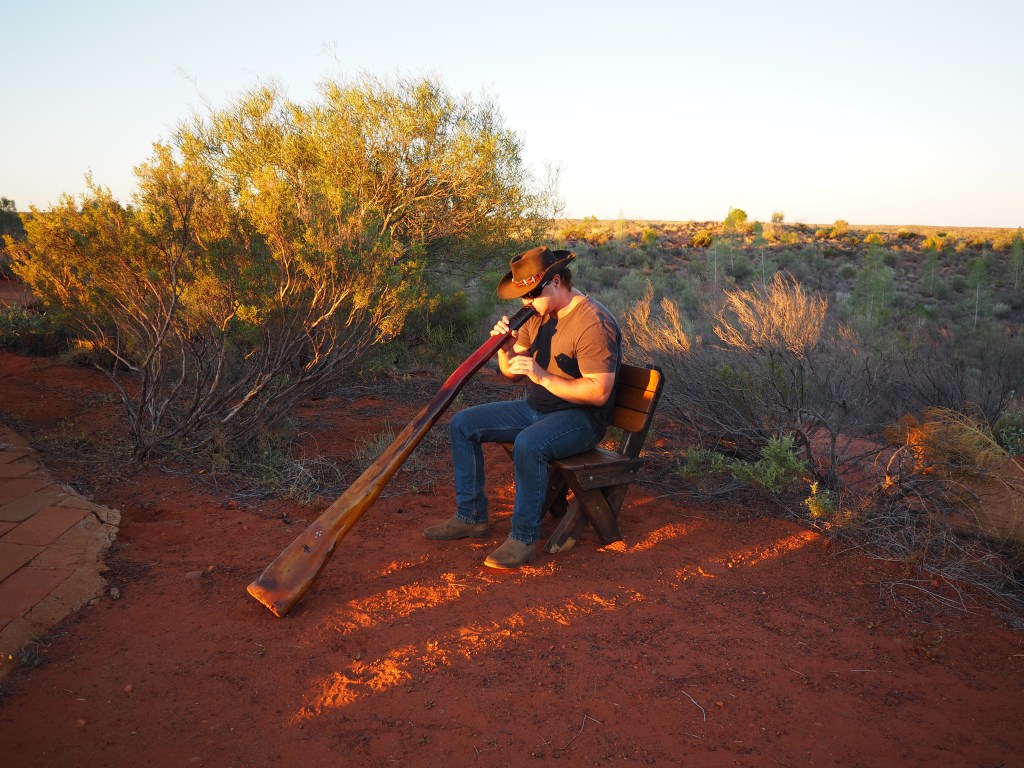
Upon arrival we were greated by some of the best Digeridoo playing I have heard and were offered some sparkling wine and an introduction to the event. It wasn’t a meal, it was an event.
From the web site:
“Tali Wiru, meaning ‘beautiful dune’ in local Anangu language, encapsulates the magic of fine dining under the Southern Desert sky. Instead of walls, this open-air restaurant has magnificent views of Uluru and the distant domes of Kata Tjuta, and for unique ambiance there’s the stillness of the desert at night.
Every course of this exclusive four-course dinner is infused with ancient native ingredients. Each dish is constructed to respect and put a spotlight on the quality and attributes of each ingredient and bring them together in harmony.”

The menu was really interesting, there was an opportunity to try the unfamiliar ingredients before you chose your meal.
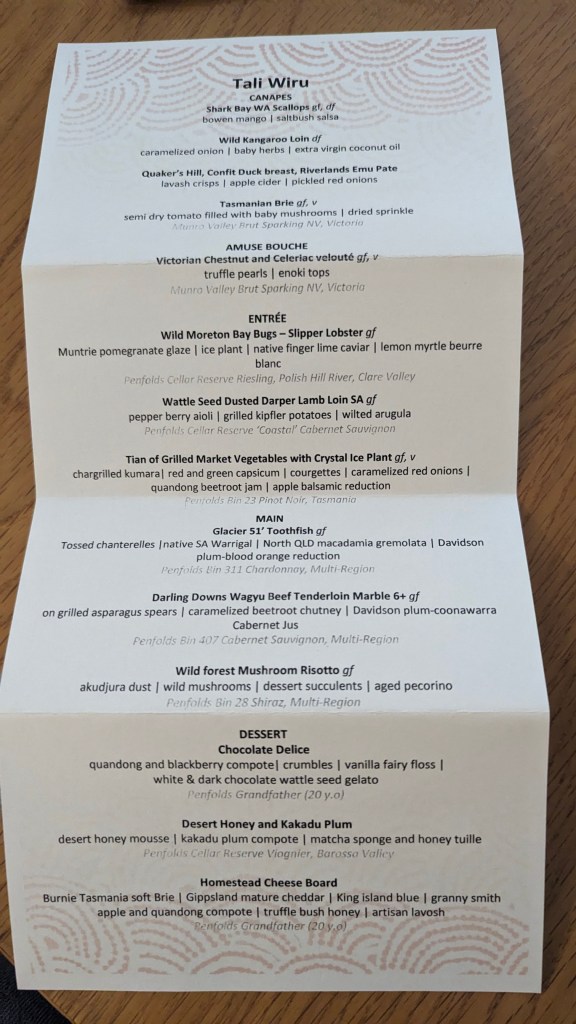
The food was delicious, many of the items I had never heard of before let alone tasted in a dish.
The venue was spectacular. On the top of a dune, in the centre of Australia, Uluru in the distance and under a clear, starry sky.


When sun set, one of the guides gave a presentation of the night sky. The Milky Way was clear to be seen as there weren’t any lights for miles. The talk mixed science and local indigenous teachings. It was fascinating. An experience we will remember for always.
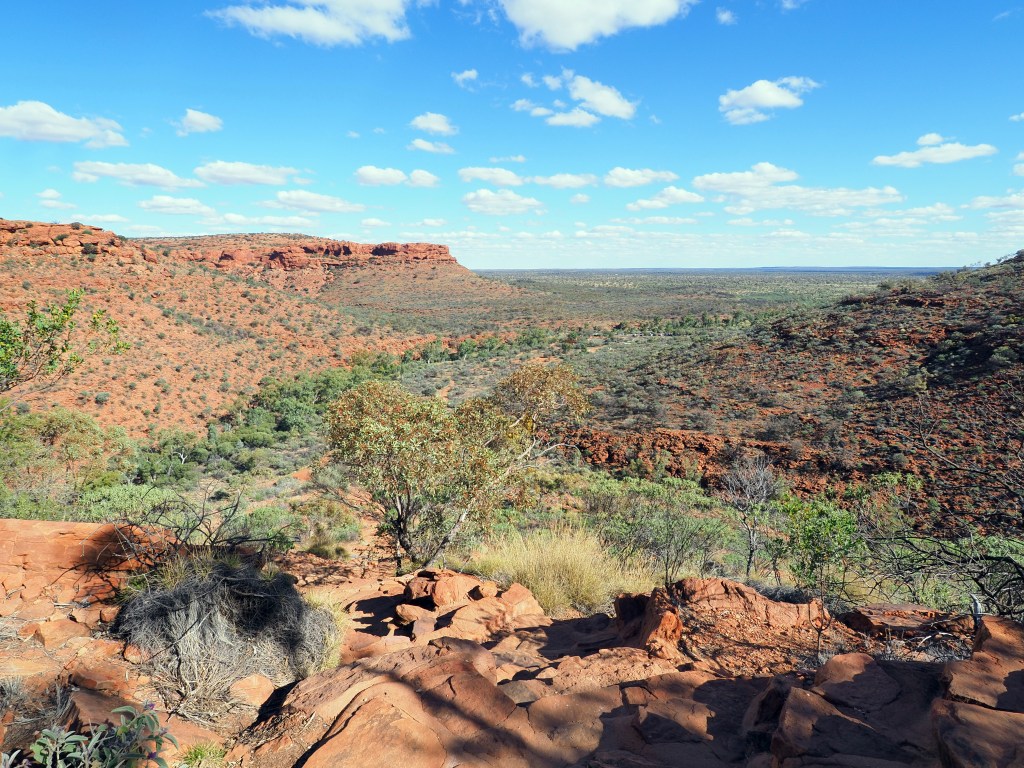
Tomorrow, Kings Canyon and next blog.

 Walligans Travels
Fabulous trip
LikeLike